
The Camino Portugués is among the most popular routes to Santiago. There are a few different starting points and alternative routes. But how long does the Camino Portugués take? The short answer is around two weeks from Porto or up to five weeks from Lisbon. But I’m here to share some more realistic timelines.

This page contains affiliate links. If you buy through these links, I may receive a small commission, at no additional cost to you. I only recommend products or services I have tried and/or find useful and reliable.

How long does the Camino Portugués take? That’s probably the first question you asked yourself when thinking about walking this route. While it’s easy to Google the “official” stages, real-life experience is often very different, and several things can determine the length of any Camino de Santiago.
The real answer to this question depends on a few factors, including the route you choose (coastal or inland), your pace, and whether you take rest days. The short answer is that the average time to complete this Camino is two weeks. But if you want to know more about the various factors that could shorten or lengthen this route, keep reading.
I walked the Camino Portugués de la Costa from Porto in 16 days, including rest days. I have an article where I go into more detail on the things I wish I’d known before walking this Camino. But now, let’s see how long the Camino Portugués may take and why the official stages are not enough to determine this.
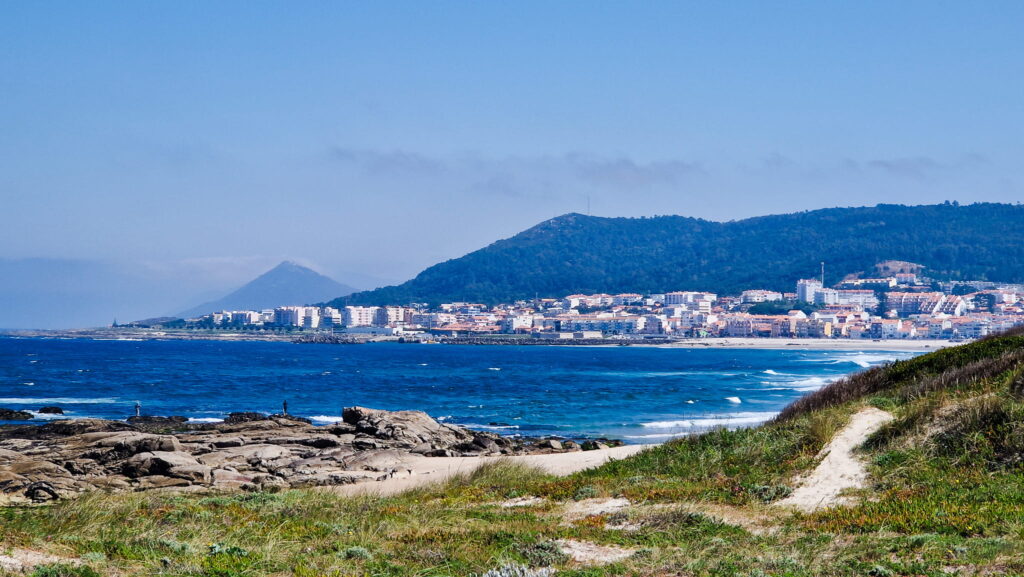
For most people, the Camino Portugués takes around 2 weeks
If you’re looking for a straightforward answer, the Camino Portugués takes between 10 and 14 days, depending on the route you choose. Below is an overview of the different routes and portions:
That being said, there are many circumstances to keep in mind when walking any Camino de Santiago. So in the sections below, I’ll go over the different things to keep in mind when walking the Camino Portugués.
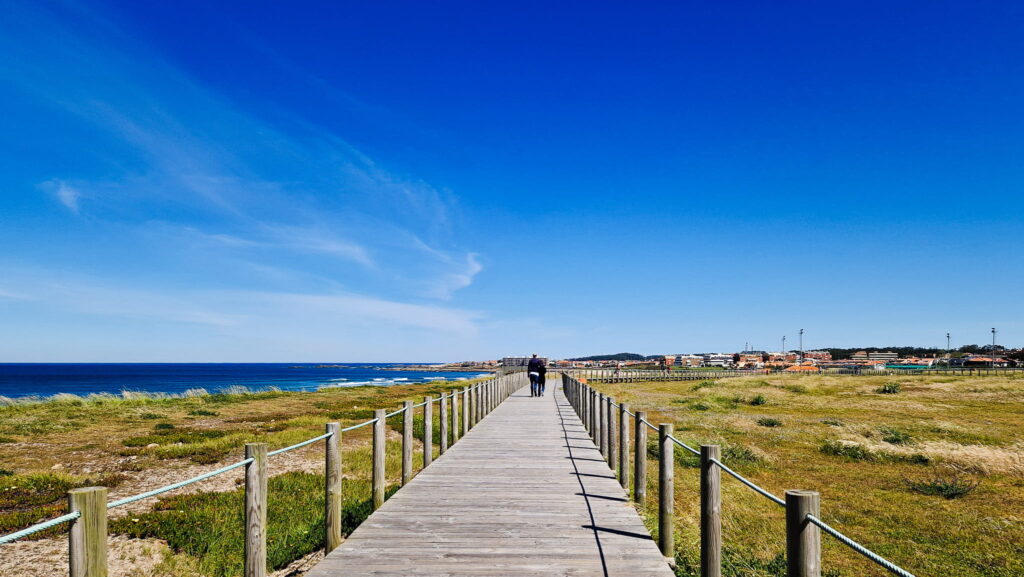
Why you shouldn’t just consider the official timelines
If you Google how long it takes to walk the Camino Portugués, you’ll get the answers above, especially if you only read the AI overview. But these timelines assume you won’t take any rest days, won’t face bad weather that slows you down, and won’t encounter any other setbacks.
The truth is, there are many more things to consider when walking a Camino, including potential injuries, the need for rest days, the desire to take a day off to visit a larger city, the lack of infrastructure in some areas, or simply the need to go at a slower pace.
After walking three Caminos, including the Camino Portugués de la Costa, I know official stages are rarely realistic. I have dealt with invalidating pain forcing me to stop, weather so bad I had no choice but to take a day off or catch a bus, lack of accommodation, and the simple desire to stick together with the people I met along the way.
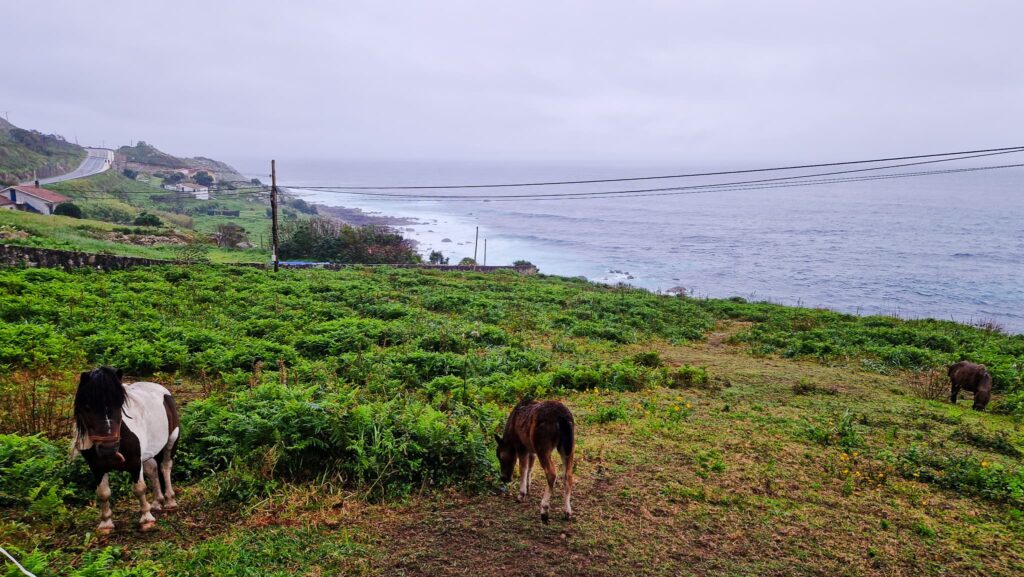
I have taken detours, sometimes shortcuts, and even got lost on a few occasions. I have also skipped portions for different reasons, catching a bus or a train to reach my destination. And the thing that most impacts the length of my Camino is my desire not to rush through every stage but to discover the places along the way.
All Caminos pass through beautiful historic cities with so much to offer that you can’t just stroll through on a late afternoon and say “I’ve been there”. You can visit castles, museums, cathedrals, and many other wonderful landmarks that you may never get the chance to see again. I think it’s a waste to walk through these places without as much as a second glance.
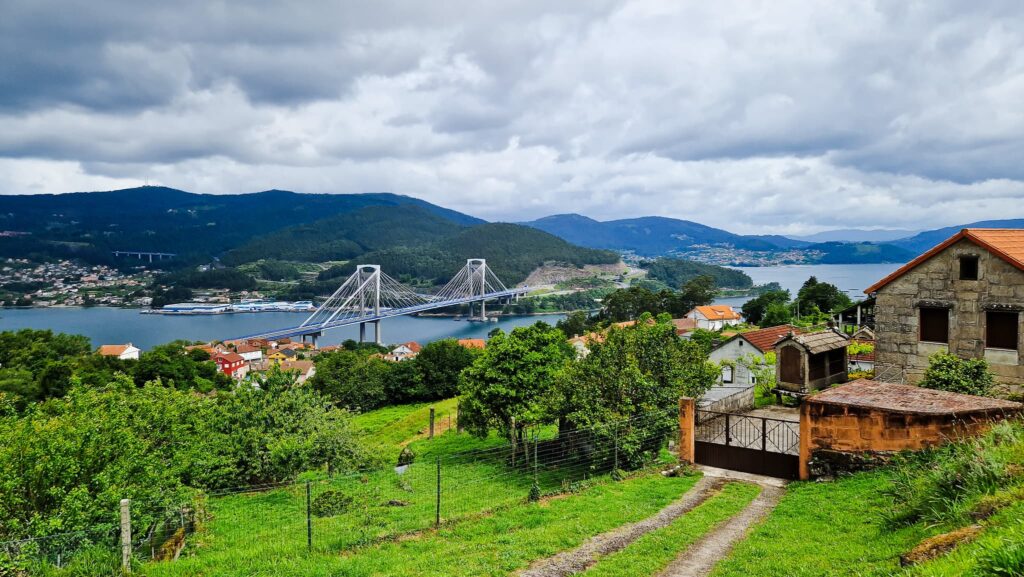
How long does the Camino Portugués take? | Things to consider
Now let’s look at the things you should consider when planning for the Camino Portugués. I will mainly refer here to the coastal route, as it’s the one I walked, but most things apply to the central route too.
Your pace in the first days
Your pace in general will determine the length of the Camino, but the first few days are critical. I made the mistake of walking too long and too fast on the first few days. I paid for this mistake with shin splints that accompanied me for the rest of the way. 0/10 would not recommend.
The thing is, it’s easy to push yourself at the beginning, when you’re excited and energetic. It’s even easier on this Camino, which is mostly flat and has lots of villages along the way. When you’re still feeling in great shape, and the next Albergue is only 3 or 4 kilometres away, it’s very easy to just keep walking.
However, rushing in the first few days can be detrimental in the long run and may cause injuries that will require rest days. Ultimately, this will extend your entire Camino rather than shorten it. Trust me, it’s much better to start slow and pace yourself at first. Once you build strength and get used to the trail, you can have longer days if you feel like it.
The rough terrain
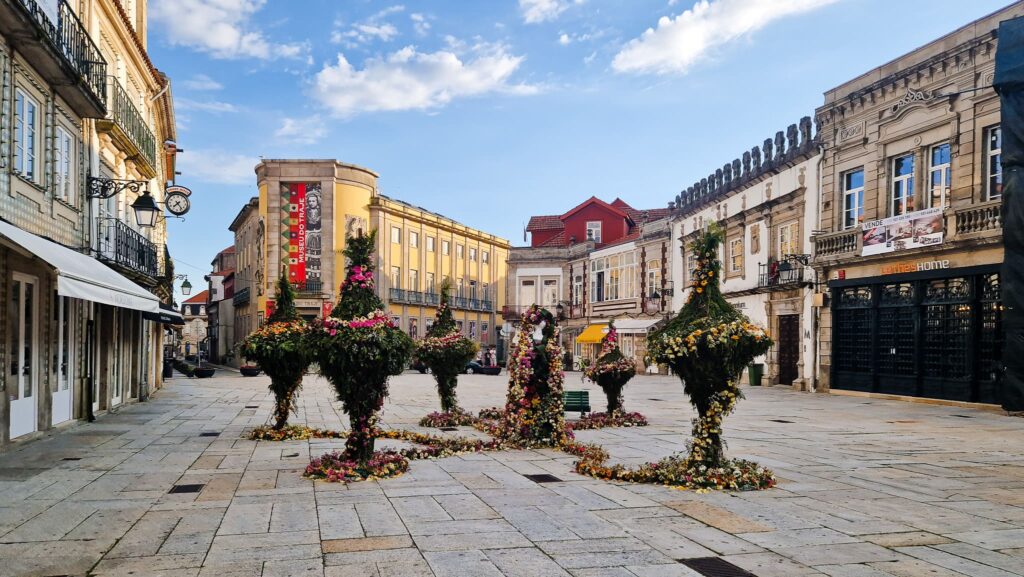
The terrain on the Camino Portugues, especially while you’re still in Portugal, can be extremely tough on your feet and legs. You’ll be walking on long stretches of paved roads, tarmac, and cobblestones. This harsh terrain can cause issues, especially if you don’t pace yourself – see the point above.
The harder terrain may push you to naturally walk faster, but you should do the exact opposite. Pacing yourself and taking breaks is important on these long stretches. Given how much of this Camino is on paved roads, it can significantly lengthen the time required to complete, unless you’re very fit.
The weather
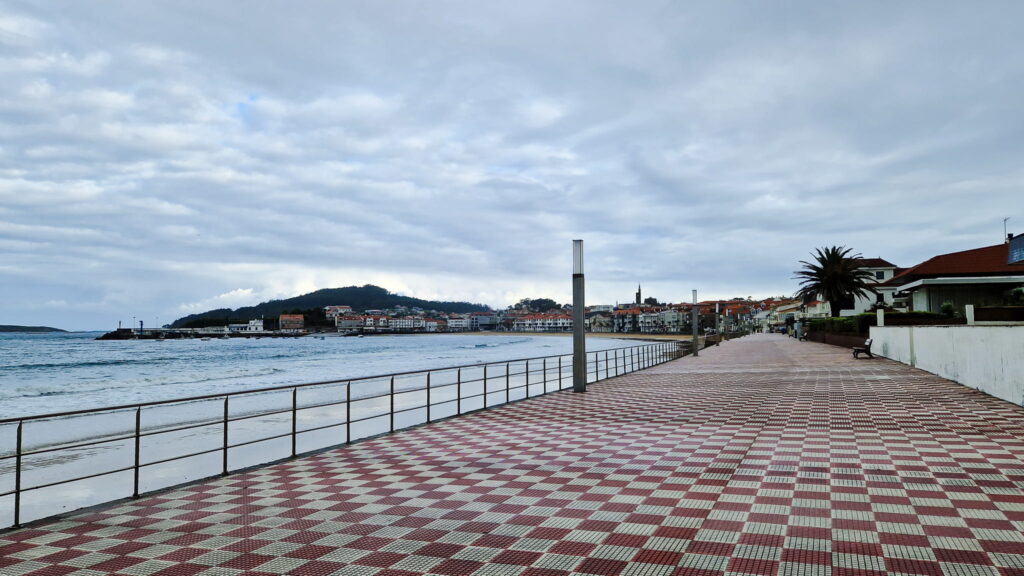
The weather is a tricky aspect of any Camino, and the Camino Portugues is no exception. Even if you walk in late spring, as I did, you may still have rainy days. While you can still walk in the rain, sometimes you may want to take a break.
Rain will inevitably slow you down. You may need to watch your steps more carefully, feel less motivated to walk, or take more breaks. You may think walking in the summer could solve this issue, but the heat is equally tough to walk in. Unfortunately, the weather is hard to predict, no matter how much you plan. You’ll need to factor in potential delays due to bad weather.
Footwear choices
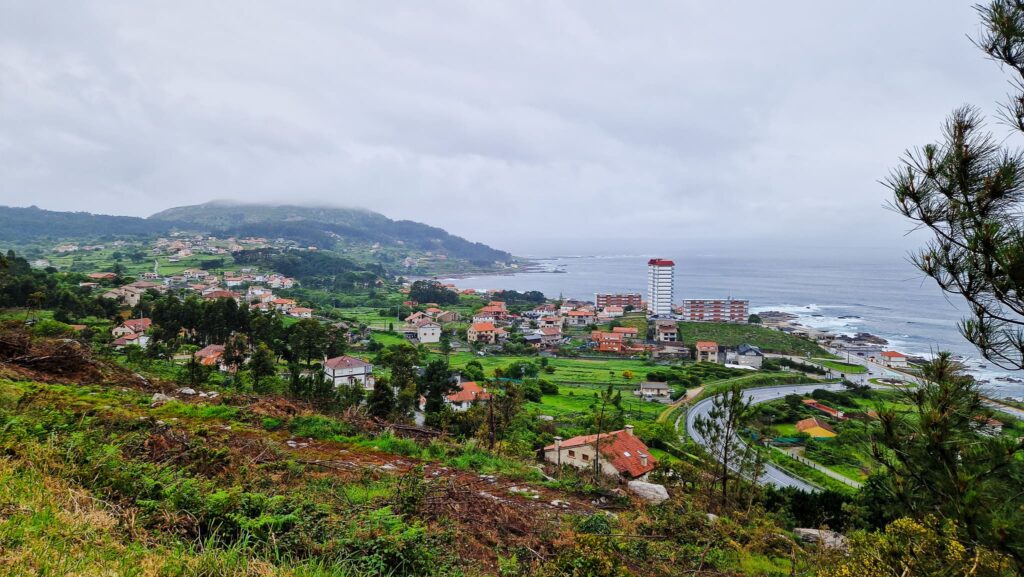
Your choice of footwear may also impact the length of your Camino. If it’s your first Camino, that’s even more likely to happen. And unfortunately, there is quite literally no one-size-fits-all. Different people will feel comfortable in different shoes. Some people prefer waterproof shoes, others prefer breathable running shoes, while others would rather walk in sandals.
While the choice of footwear is subject to personal preferences, it’s also dependent on which route you walk. Waterproof footwear may work best on some Caminos but be terrible on others. I know for a fact that I wouldn’t walk the Camino Portugues or the Via de la Plata in waterproof shoes again.
Unfortunately, if you happen to make the wrong footwear choice, you may face issues like blisters or injuries that can force you to take rest days or walk shorter stages and ultimately lengthen your Camino.
Rest days
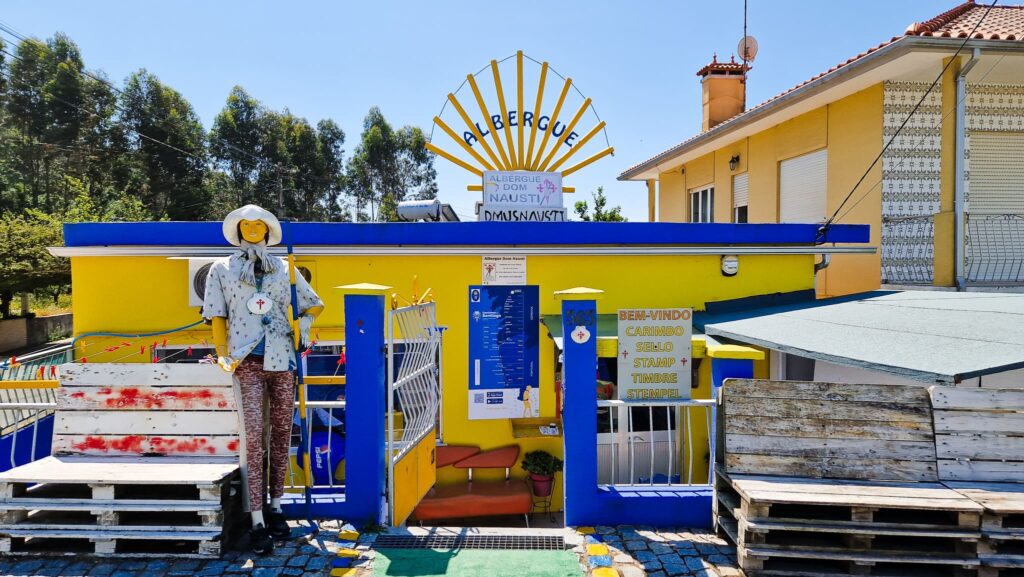
Whether planned or forced, rest days will inevitably impact how long your Camino will take. Not everyone takes rest days, and some people have no issue with that. For me, rest days are essential, not just to take a break from walking but also to explore some places that I believe deserve more than an afternoon.
Along with the planned rest days in major cities, there may be unplanned ones, be it to recover from an injury or skip a rainy day. For the Camino Portugues, I would factor in at least one or two unplanned rest days. If you end up not needing them after all, you can always enjoy more time in Santiago or head to the coast, to Finisterre or Muxia.
Social experience
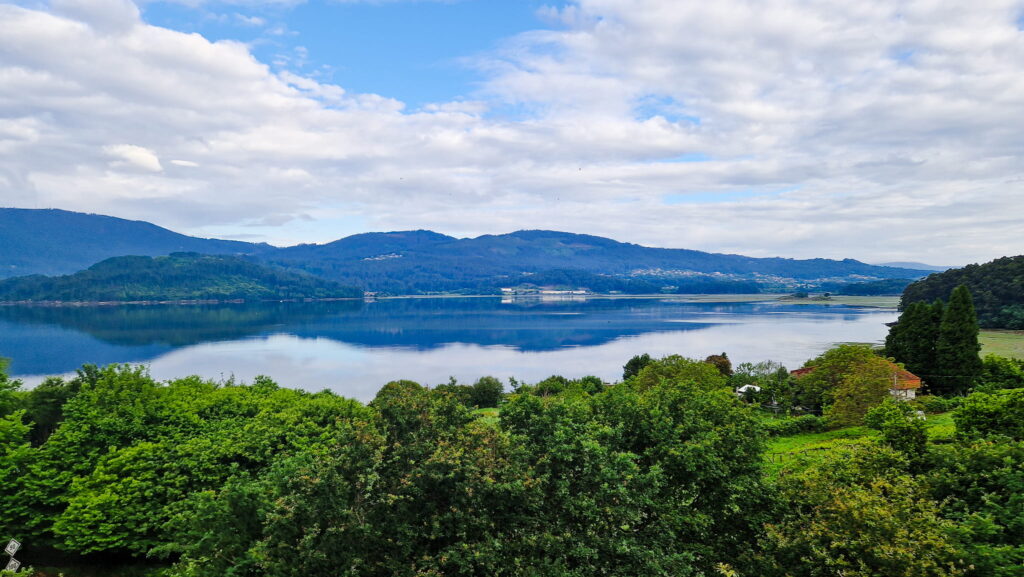
Whether or not you meet up and decide to walk with other pilgrims may also have an impact on how long the Camino takes. In my article on the things I wish I’d known before walking the Camino Portugues, I talk about how solitary this Camino felt for me. But your experience may be different.
You may meet people you get along with and want to walk with, and that may mean either speeding up or slowing down. On the other hand, if you end up walking mostly alone, you may feel more inclined to slow down and take that extra rest day.
The social experience of the Camino is very subjective. I’ve walked three Caminos so far, and they’ve all been different from this point of view. I think it’s useful to let go of any expectation on this aspect while keeping in mind that social dynamics will likely impact your pace and overall length of the Camino.
Variante Espiritual
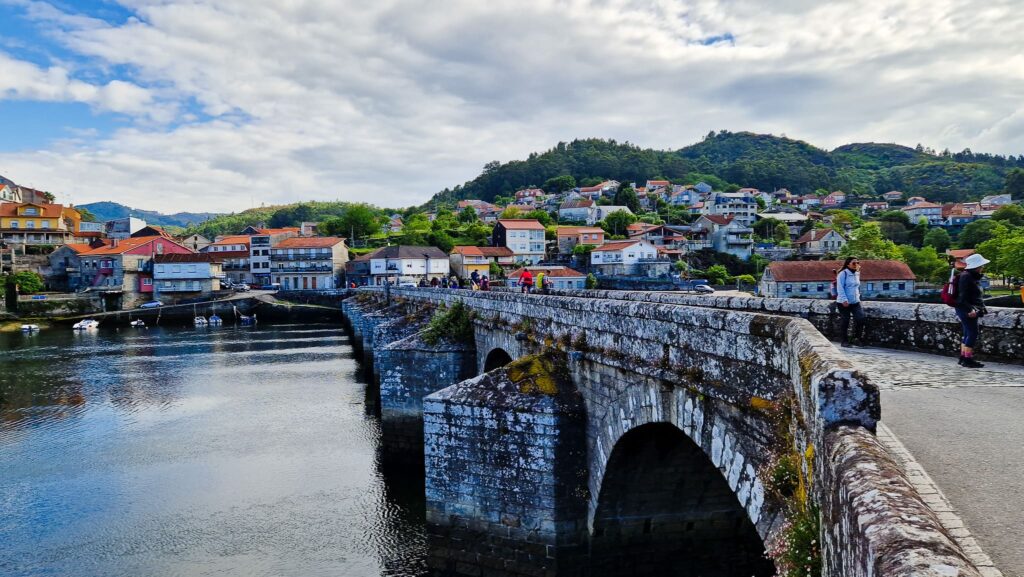
Whether you walk the coastal or central route, you have the option of walking the Variante Espiritual. After leaving Pontevedra, instead of walking straight north to Caldas de Reis, you turn left to A Armenteira and reach the coast at Vilanova de Arousa. From there, on the third day of the Variante Espiritual, you can choose between a boat ride or walking to Padrón, where you rejoin the original route.
Doing the Variante Espiritual adds one extra day to the Camino. Being such a little frequented route, it has fewer services and basically no options to split the stages, so you need to stick to the three official stages. Because I had to take extra rest days, I didn’t manage to do the Variante Espiritual, but I would certainly do it if I were to walk the Camino Portugués again.
Realistic timelines based on walking style
Below is what I believe is an accurate estimate of how long the Camino Portugués may take based on your fitness level and walking speed. However, remember all the other circumstances I covered and keep in mind that unexpected situations may alter these estimates.
Fit and fast walkers
If you’re fit, have no injuries, and already have experience walking long distances, you will likely find this Camino fairly easy. I think the terrain may still have an impact, but you’ll face few physical challenges overall.
Average walkers
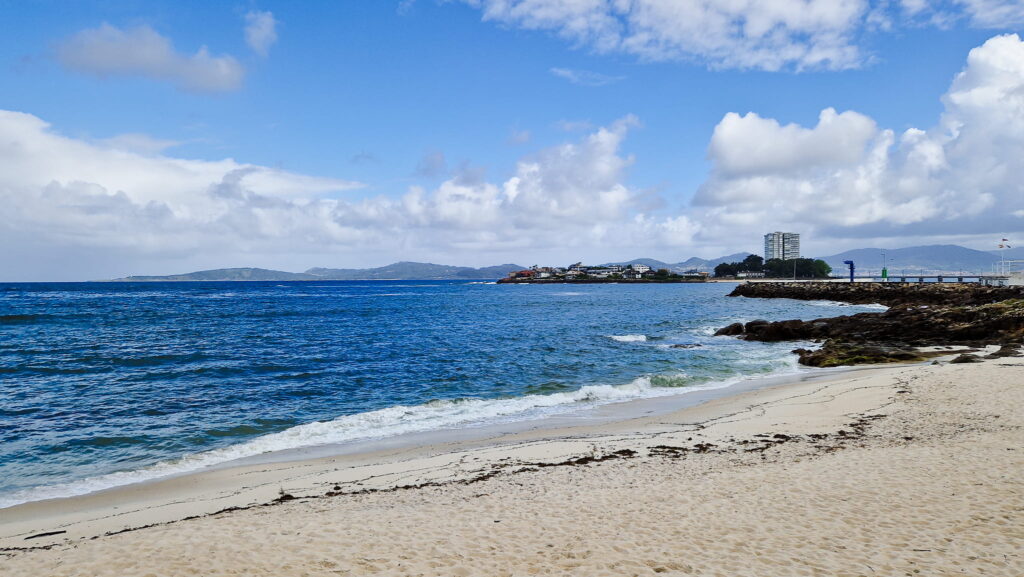
Most people will fit in this category. You are in good shape, but have not trained much before the Camino. You can maintain a steady pace and easily walk between 15 and 25 kilometers daily.
Slow & steady walkers
If you’re the kind of walker who wants to take it all in, maintain a slower pace, and stop longer to admire the view, then you’re probably in this category. You enjoy the journey and like to take extra time to check out that one church or visit that little local museum.
With added rest days
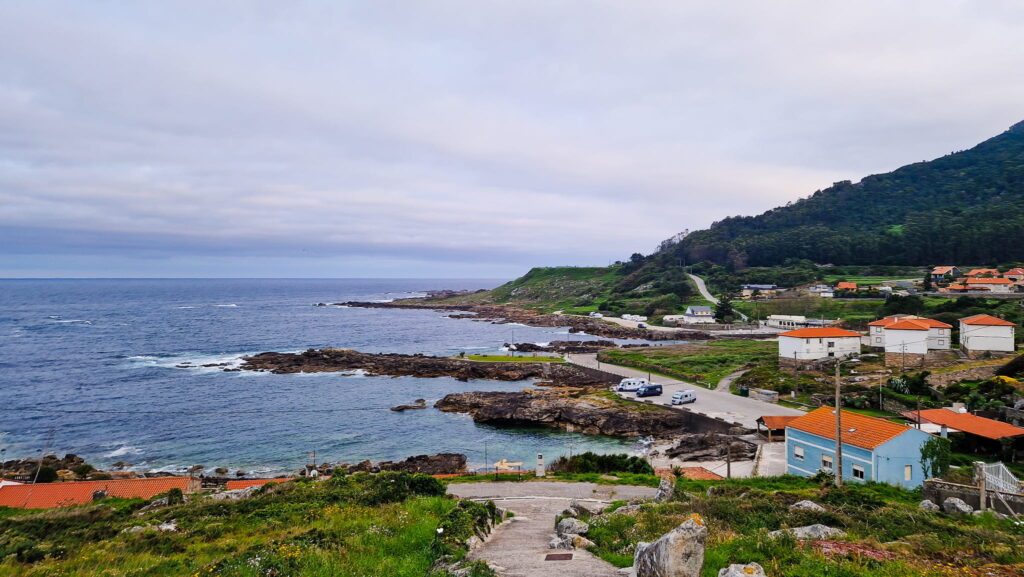
Lastly, regardless of what kind of walker you are, you should factor in between one and three days off, whether it’s for sightseeing, resting, or avoiding bad weather. These buffer days will give you peace of mind and avoid last-minute races to finish the Camino before your flight or your next travel plans.
My actual Camino Portugués timeline
My Camino took three days longer than I had anticipated, which is the reason I wanted to write this article in the first place. I made several mistakes, from rushing too much in the first days to choosing the wrong shoes and underestimating how much the bad weather would weigh on me.
In the end, I walked the Camino Portugues de la Costa in 16 days. I ended up taking three rest days and shortening some stages because I had to recover from shin splints. I started strong, walking longer and faster than I should have. The pain started by the end of the third day, and it continued throughout the rest of the Camino.
My worst mistake was not pacing myself in the beginning. If I were to change just one thing, it would be this. Walking slower and doing shorter stages in the first few days, then slowly building up to longer stages if I felt like it. If you take one piece of advice from this whole article, let it be this one.
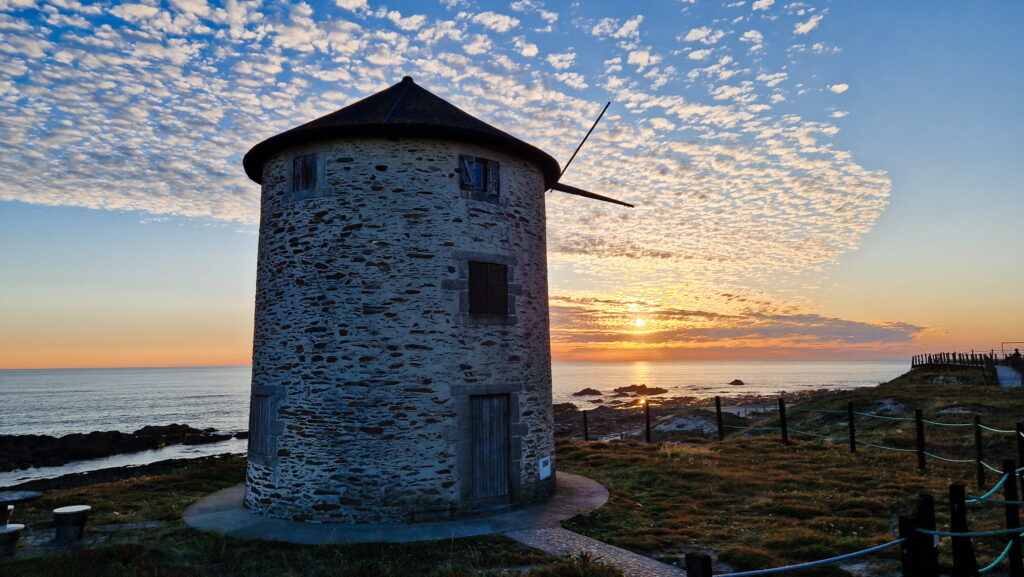
Your Camino will take the time it needs
I think the best way to approach every Camino is with the mindset that it will take the time it needs. Of course, planning is important, and I highly recommend having a rough idea of the stages you want to walk. But ultimately, you need to let go of the expectation of a perfect Camino.
One thing I learned from walking three Caminos is that flexibility is key. You need to be able to adapt to changing circumstances, switch things up when the original plan no longer works, and just enjoy the journey as it is, even if it’s not at all what you had planned.
I hope this article has given you some useful insights into how long the Camino Portugués will take. But more than that, I hope it will help you approach every Camino with an open mind and no expectations beyond making the most of your journey.
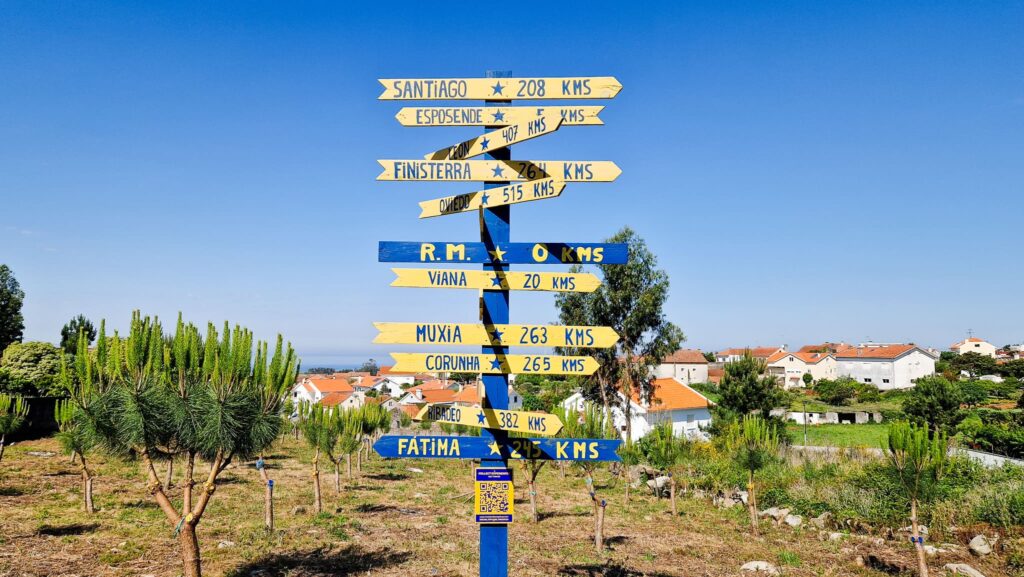
More Camino Posts
I mentioned that before the Camino Portugués, I walked Via de la Plata. If you’re curious about that route, you can find all my articles here:
- Complete Via de la Plata Stages: From Sevilla to Santiago
- Walking Via de la Plata: How to Plan for the Camino in 2026
- Via de la Plata: From Sevilla to Mérida
- Via de la Plata: From Mérida to Salamanca
- Via de la Plata: From Salamanca to Ourense
- Via de la Plata: From Ourense to Santiago de Compostela
If you’re interested in more Portugal content instead, you’ll find all my articles here. Alternatively, I have an even bigger collection of Spain posts here.
Camino Resources
Below is a list of my go-to resources for walking any Camino de Santiago.
| Website/App | Category | Description | Link |
|---|---|---|---|
| Gronze | Planning | The most exhaustive Camino website with routes, albergue info, and more. | Gronze.com |
| Buen Camino | Navigation | My go-to Camino app, which has the most routes available. | iOS or Android |
| Camino Ninja | Navigation | Another great website and app with most Camino routes. | Camino Ninja |
| Camino Forum | Community | Great forum for first-person experiences and asking questions. | Camino Forum |
| Booking.com | Accommodation | Good to have when you can’t find albergues! | Booking.com |
| Agoda | Accommodation | An alternative to Booking.com, if you have a hard time finding a place. | Agoda |
| Kiwi.com | Flights | My go-to platform for finding affordable flights. | Kiwi.com |
| Omio | Transportation | You never know when you need to catch a bus or train along the Camino. | Omio |
| SafetyWing | Insurance | Don’t skip insurance on the Camino, trust me on this one! | SafetyWing |
| GuruWalk | Free tours | For when you hit those big cities and want to explore them with a local. | GuruWalk |
| Airalo | eSIM | My favorite eSIM app; a great alternative to buying a physical SIM card. | Airalo |
| Saily | eSIM | A great alternative to Airalo. I use them both, depending on the destination. | Saily |
| Xe | Currency | My go-to currency converter, in case you’re from outside the Euro zone. | Xe App |
| Maps.me | Navigation | If you ever get lost, having an offline map is life-saving! | Maps.me |