
If you’re planning to walk the Camino Portugués, you’re probably wondering whether you should stick to the stages most websites and apps recommend. I walked the coastal route from Porto and made quite a few mistakes, so here is my honest take on the Camino Portugués stages and what I’d do differently.

This page contains affiliate links. If you buy through these links, I may receive a small commission, at no additional cost to you. I only recommend products or services I have tried and/or find useful and reliable.

I walked the coastal route of the Camino Portugués from Porto in May 2024. The main reason for the route choice is that I love being by the ocean, and after walking Via de la Plata in 2022, I wanted a change of scenery.
One thing I loved about the Camino Portugués is how well-serviced and easy to adapt to your needs it is. There are many towns and villages along the way, making it easy to shorten or lengthen the stages as you wish.
Initially, the reason I didn’t stick to the official stages was that I felt like walking longer. If you’ve read my previous posts on the Camino Portugués, you know this turned out to be a mistake. Read my post on the things I wish I’d known before walking this Camino for more context on this.
After those initial days when I wrecked my legs, I had to limit the damage somehow. I took extra rest days, shortened stages, and nearly quit many times. But I eventually finished the Camino in 16 days, including the rest days.
This article covers my real stages, why I didn’t follow the official stages, and whether I recommend following in my steps. Spoiler alert: I don’t. But the truth is more nuanced than that, so let’s get into it.
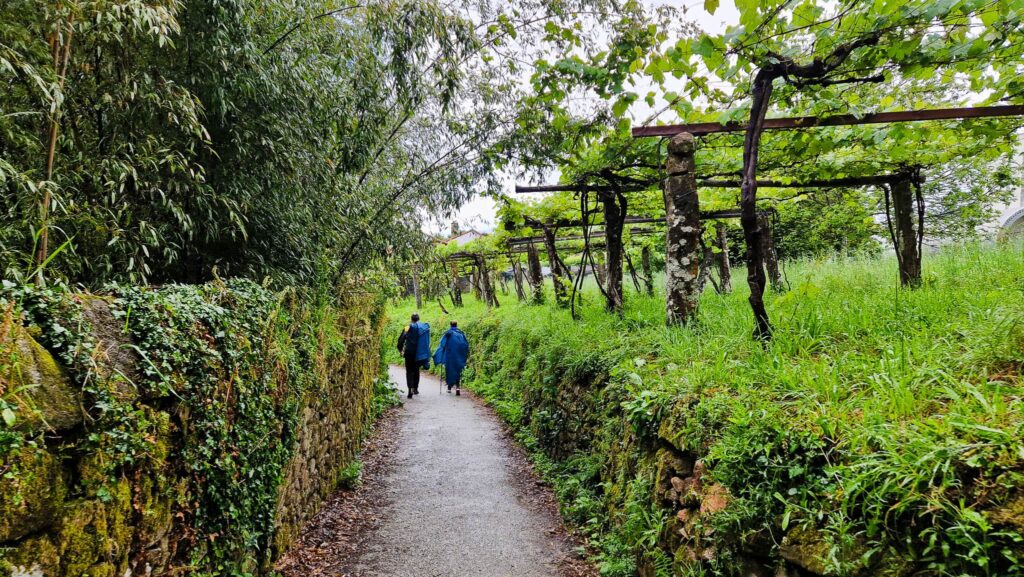
Quick overview: my actual Camino Portugués stages
If you want a quick overview of my Camino Portugués stages from Porto, here it is:

While I walked a total of 13 stages, the Camino took me 16 days because I had one rest day in Vigo and two more rest days in Cesantes, near Redondela. I’ll go into more details about every stage below, so keep reading if you’re curious.
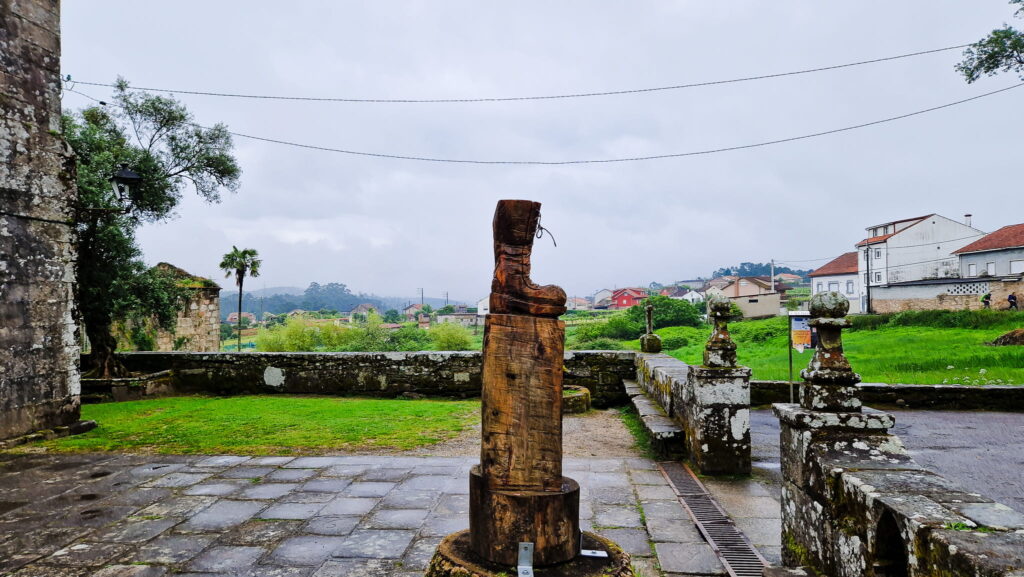
Why I didn’t follow the official stages
Ok, so why did I make my own stages on this Camino? Firstly, because I really enjoyed the flexibility of this Camino, and the option to walk just 3 or 4 extra kilometers to reach the next Albergue. It was a refreshing change from my first Camino, Via de la Plata.
At first, I had a lot of energy and enthusiasm. The Camino felt easy enough that I could walk a few extra kilometers, so my stages were longer than what you’d see on most guides. I also did it because I was planning to do the Variante Espiritual, and I thought doing a few longer stages at first would give me an advantage for later. Wrong!
My fast pace in those first few days, combined with the longer stages, wrecked my legs. By the end of day three, I was feeling the first signs of shin splints in my right leg. Halfway through day 4, the same pain showed up in my left leg, too. By the time I reached A Guarda, I was in excruciating pain.
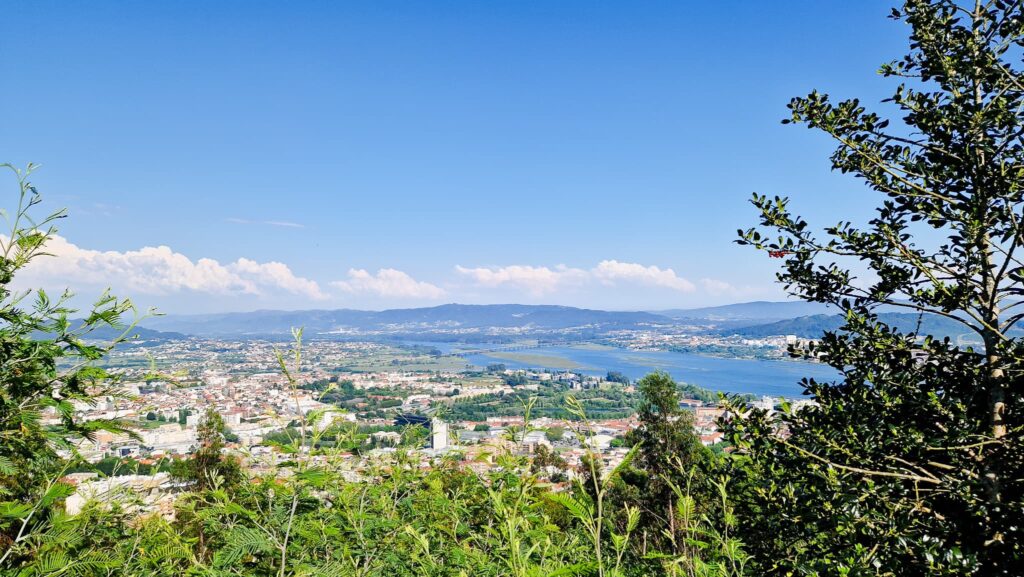
From day 5, I started walking shorter stages, but even so, my legs were still hurting. If you didn’t know, the only real cure for shin splints is complete rest. I took a day off in Vigo, hoping it would be enough to keep me going. It wasn’t. So I took two more rest days after Redondela.
The last few stages were short enough that I managed to keep going. I then chose to split the last stage to Santiago and have a very short last day, getting to Santiago early enough to get my Compostela before the crowds arrived. But now let’s have a closer look at my stages.
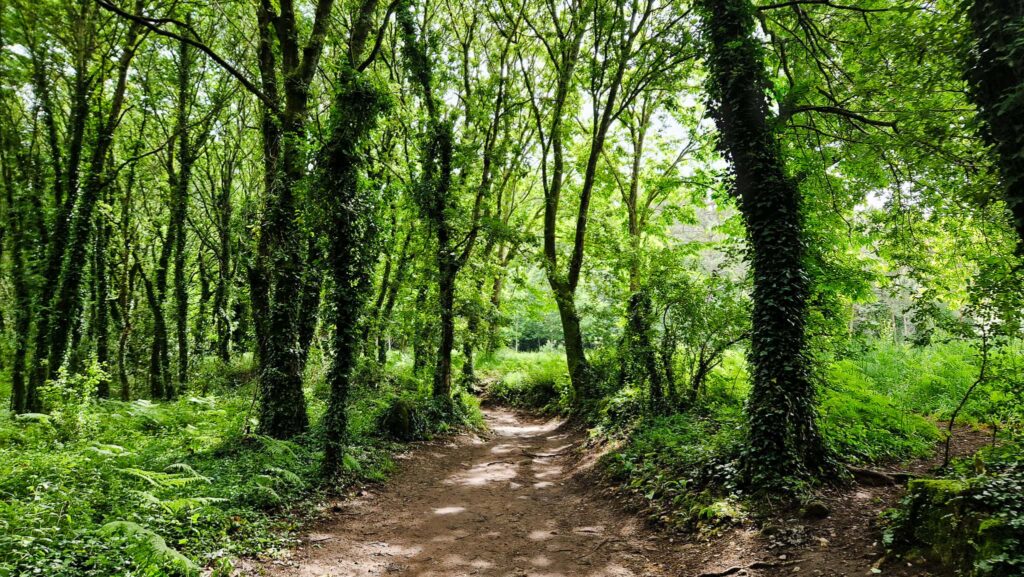
My stage-by-stage breakdown from Porto
Now, let me walk you through my Camino Portugués de la Costa stage by stage. I won’t go into many details to keep this short and to the point. I may have another post dedicated to my experience, my challenges, and how I felt throughout this journey. For now, I’ll keep this practical and useful for you.
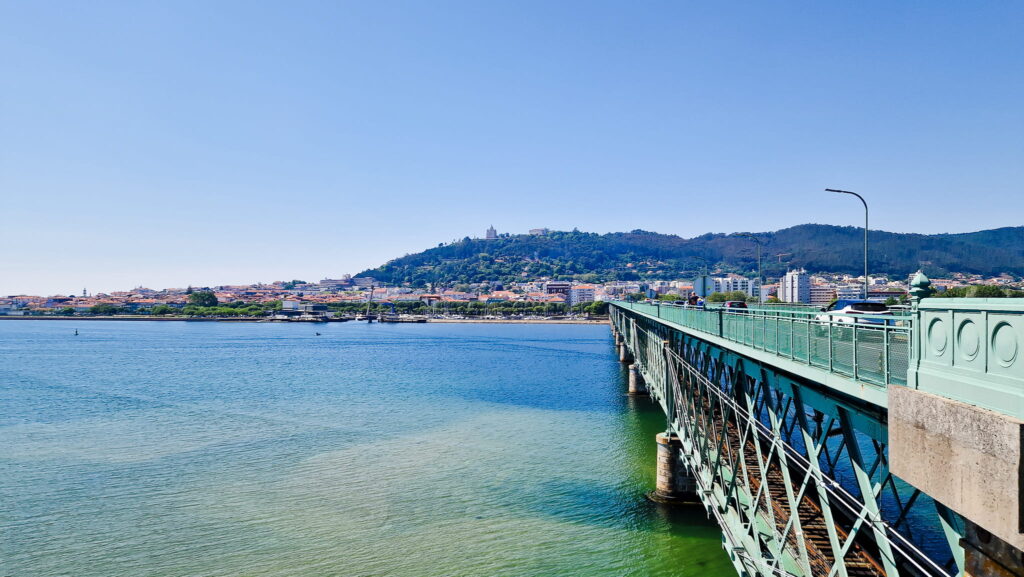
Stage 1: Porto to Vila Chã (27 km)
The Camino Portugués from Porto officially begins at the Porto Cathedral, so that’s where I headed first thing. From there, you make your way through the historical center of Porto until you reach the riverside and begin walking along it toward the ocean.
The first part of the stage is through Porto, along paved roads all the way to Matosinhos. For this very reason, some pilgrims choose to skip this part and opt for catching a metro as far as Póvoa De Varzim, skipping two stages. While I understand not wanting to walk through the city for so long, I wouldn’t recommend skipping this part.
After Matosinhos, the paved roads give way to a lovely wooden boardwalk along the ocean. The walk is pleasant, and the view is lovely once you leave the city behind. But there are still many towns along the way, so more paved roads. Overall, it’s an easy stage, but the extensive portions of paved roads can be hard on the feet.
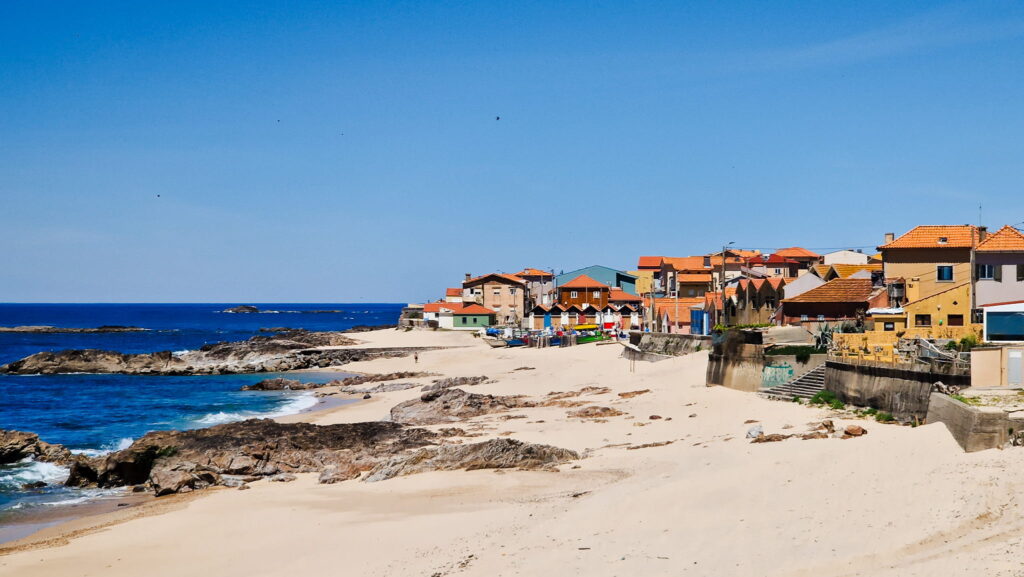
Stage 2: Vila Chã to Apúlia (25.5 km)
Day two is another day walking through one town after another along the coast. The walk from Vila Chã begins along the wooden boardwalk, but it transitions to paved roads around Vila do Conde, so after barely one third of the distance. The rest of the way is mostly on paved roads through coastal towns.
The plus side of the many towns along the way is that you can have multiple breaks. But walking for nearly 20 kilometres on paved roads is tiring. I was struggling for the last stretch, feeling the harsh pavement send painful ripples in my muscles with every step.
The other downside of this stage, like the first one, is the lack of shade. This entire portion of the Camino is along the coast, with no trees and low-rise buildings that offer no break from the burning sun. On the plus side, both Vila do Conde and Póvoa de Varzim are lovely towns to have a couple of breaks if you want to.
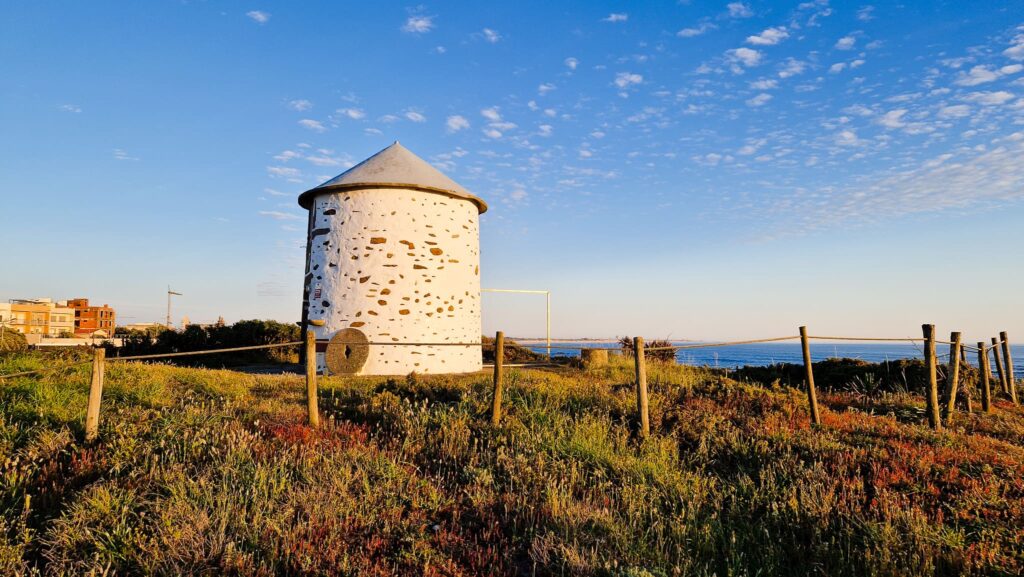
Stage 3: Apúlia to Viana do Castelo (31.3 km)
This was a long one and, in hindsight, a big mistake. Well, my whole start of this Camino was a mistake, but doing this long stage in particular gave me the coup de grâce, although I would only truly feel it the following day.
It wasn’t just the long distance that made this stage so challenging, but also the constant walking on paved roads and cobblestone streets, town after town after town. You only get a short break just after Castelo do Neiva, where there’s a portion of walking through a lovely forest.
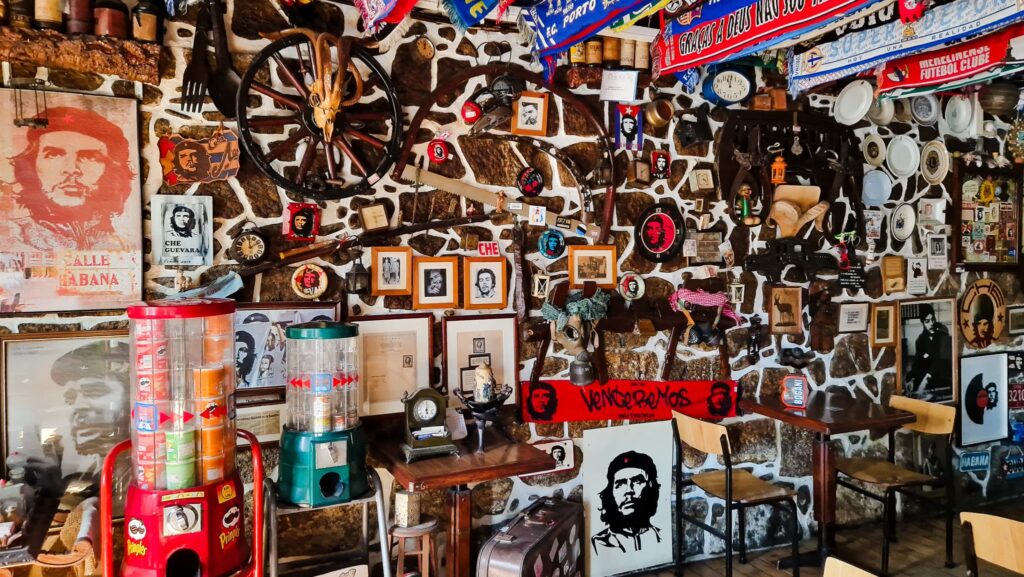
The highlight of this stage, aside from the brief walk in the woods, was probably the break at the quirky Lampião Caffé, just before Belinho. This is a true Camino experience, so I highly recommend stopping for a coffee.
Viana do Castelo is a beautiful city, and one of the reasons I regret doing this long stage is that I was so tired and had so little time to explore it. The old town is gorgeous, and the Sanctuary of the Sacred Heart of Jesus on Monte de Santa Luzia is a must-see and offers stunning panoramic views.
Stage 4: Viana do Castelo to A Guarda (30.5 km)
Another long stage that I should have avoided. And I had intended to. My initial plan was to walk to Caminha, but I realized I was only a boat ride and another short walk away from A Guarda, in Spain. I just hadn’t realized how tough those last 3 kilometers would be with shin splints in both my legs.
Just leaving Viana do Castelo takes a really long time. After all the paved roads, you get a break once you reach the coast again, and you have a mix of wooden boardwalks and dirt paths, but that doesn’t last long. For the rest of the day, it’s mostly paved roads, with the occasional dirt path when you walk near the beach.
As usual, this stage passes through many seaside towns. The good thing is they have lots of bars and stores. I had a nice stop at a Continente in Vila Praia de Âncora. But the previous three days started truly weighing on me as I approached Caminha and started feeling pain in both my shins.
Just before Caminha, I passed a train station called Senhora da Agonia, a name very representative of the agony I was feeling at this point. Yet I kept going. In Caminha, you can buy a ticket for the boat crossing into Spain. The boat drops you off in A Pasaxe, then there are roughly 3 more kilometers to A Guarda, mostly uphill.
Stage 5: A Guarda to Porto Mougás (20 km)
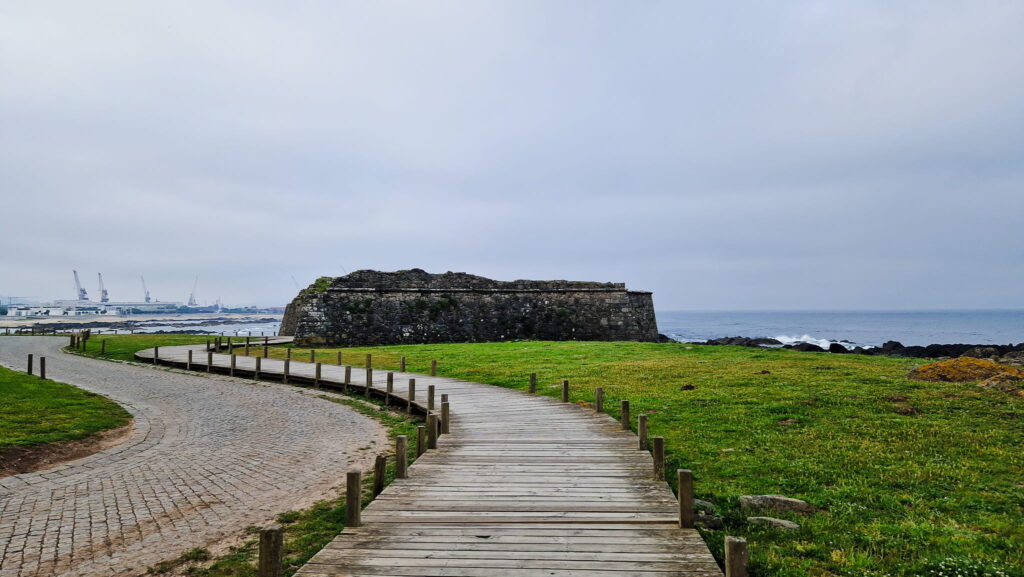
Another day of walking mostly along paved roads, including a few stretches on tarmac along a main road. The stage is normally a fairly short and easy one, although for me, it wasn’t, due to the struggle of increasingly painful shin splints in my right leg.
The stage starts with a descent from A Guarda and a lovely coastline walk. You get a few portions of dirt path, but not enough to get a real break from the hard paved roads and cobblestone. The landscape, however, is lovely, with beautiful coastal views almost the entire way.
In Portecelo, there is a lovely café overlooking the ocean, perfect for breakfast if, like me, you need your dose of caffeine in the morning. Then you’ll walk through the lovely town of Oia, with the Royal Monastery of Santa María de Oia dominating the landscape. It’s a beautiful town for a break! I recommend stopping at A Terraza do Mosteiro for coffee.
Stage 6: Porto Mougás to A Ramallosa (16 km)
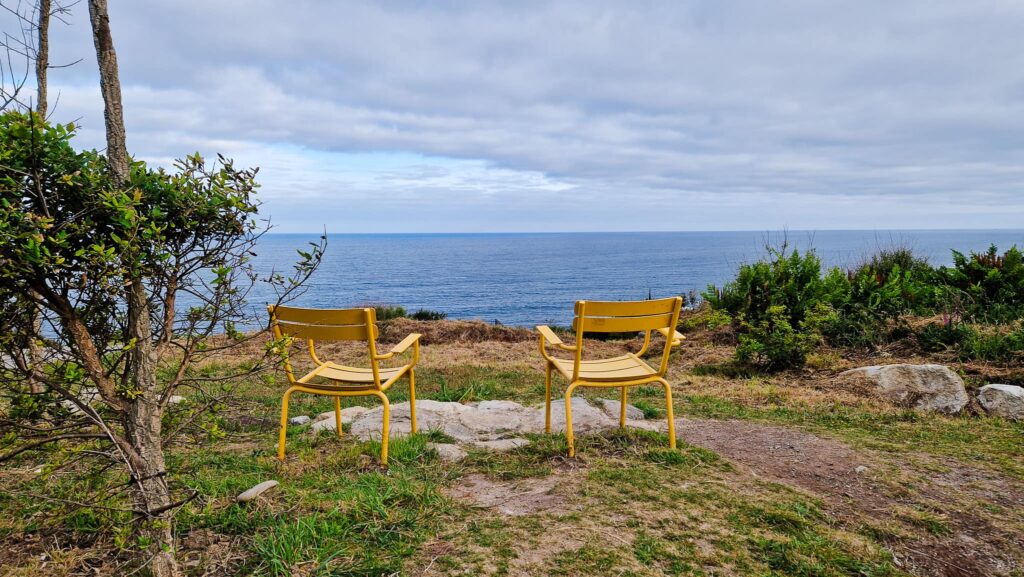
This is a short and easy stage, with just a few uphill portions, a downhill into Baiona, and a mostly flat stretch to A Ramallosa. But, you’ve probably guessed it by now, it’s mostly on paved roads.
You get a break from the tarmac as you leave behind As Mariñas and enter a forested area, but unfortunately, it doesn’t last long. Before you have the chance to enjoy it, you’re back on paved roads.
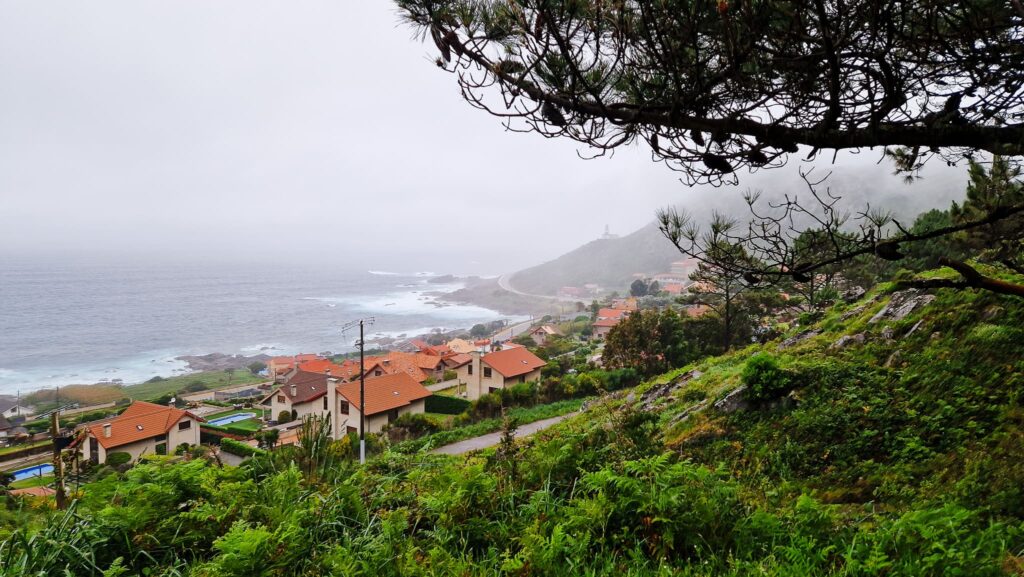
I had really bad weather on this stage, mostly rainy and cold. The landscape would have been lovely, though I couldn’t enjoy it much with the rain and the heavy gray clouds. This would be an easy stage for anyone not dealing with painful shin splints. The downhill portion into Baiona was the worst for me as it accentuated the pain. In San Pedro da Ramallosa, there’s a lovely Albergue where you can get a private room.
Stage 7: A Ramallosa to Vigo (21.7 km)
You have two options for this stage: either the “official” or the coastal way. There is little difference in the distance, and I’d read the official way had more paved roads, so I opted for the coastal one, also because I enjoyed walking near the ocean.
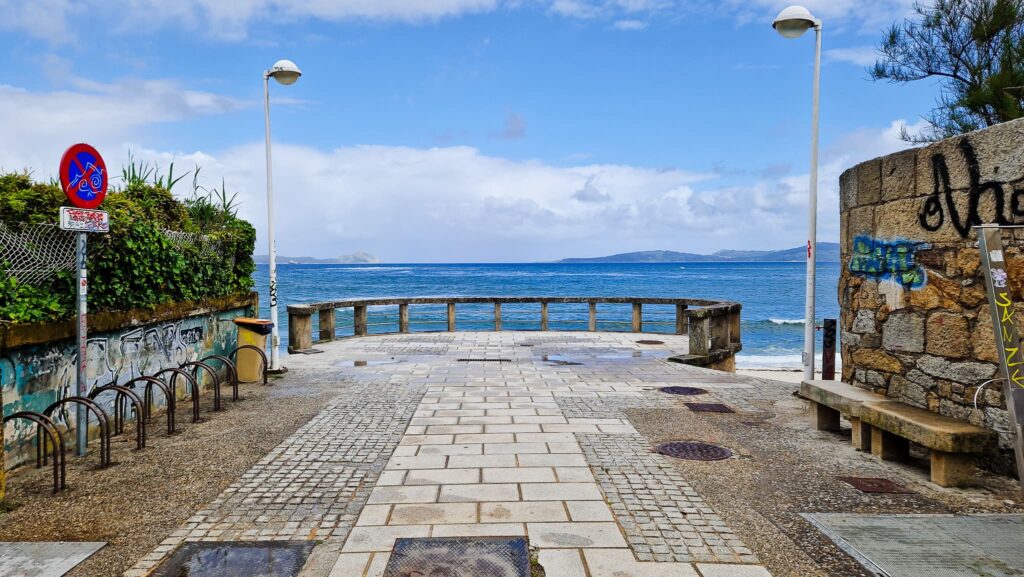
Spoiler alert: you’ll still be walking mostly on paved roads, except for a portion of wooden boardwalk in Nigrán. I can’t tell how this compares to the official trail, but I’m happy I chose the coastal one. At least it’s mostly flat, compared to the official, which has some ups and downs.
I had poor weather once again, mostly cloudy with bouts of rain now and then. The stage is lovely, especially with all the beaches along the way. I imagine it would be a pleasant walk on a sunny day. I did, however, end up catching a public bus once I entered Vigo, mostly because I was in pain, but also because of the bad weather.
Rest day in Vigo
I was planning on taking a break here regardless, but it was even more welcome given the condition of my leg. I booked myself into a small studio in the old town instead of the Albergue, and I enjoyed the privacy and rest.
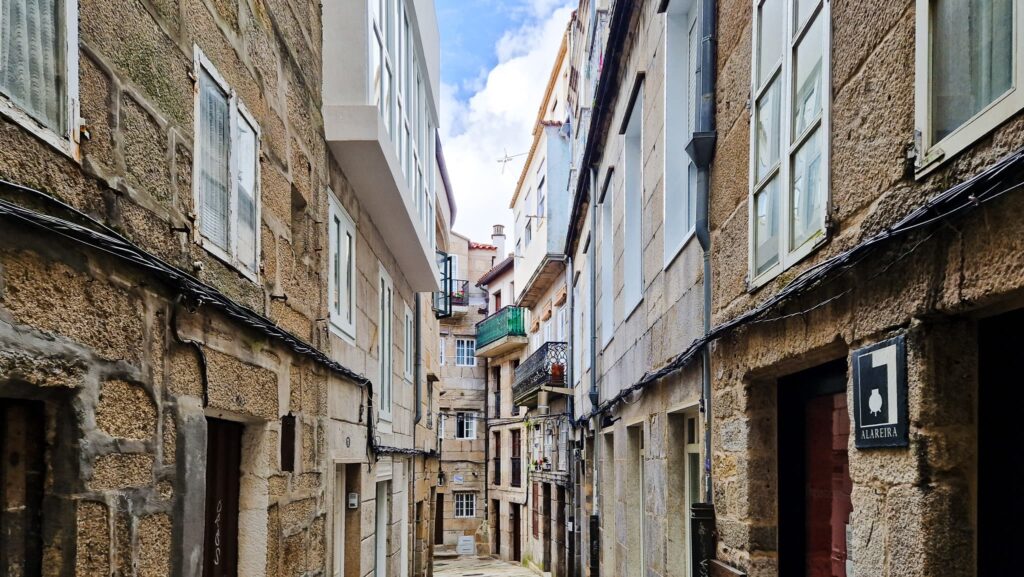
I highly recommend having a rest day in Vigo, even if you feel fit enough to keep walking. It’s a big city with a beautiful old town and lots of things to do. You’ll hopefully have better weather than I had, but you’ll enjoy it regardless.
Explore the old town (Casco Vello), enjoy the delicious food, and maybe visit a museum. Check out the Museo de Arte Contemporánea (Marco), visit the beautiful Concatedral – Basílica de Santa María de Vigo, and enjoy sweeping city views from Castelo do Castro.
Stage 8: Vigo to Redondela (15.4 km)
I thought the rest day in Vigo would be enough to get me going, but it only took me a few kilometers to realize I hadn’t recovered nearly enough. Even though this was a short stage, I struggled a lot and even considered quitting the whole Camino, heading back to Vigo, and chilling for a few days.
I did keep going, mostly because I’m stubborn and I wanted to see the whole thing through. If you’re in better shape than I am, you’ll find this stage fairly easy. There is quite a big uphill as you leave Vigo, followed by a downhill into Redondela. It does offer some pretty cool views of the city!
Also, for a change, you get to walk on a dirt path through a lovely forest for a while. Even though it’s short, it’s a very welcome change of scenery and especially of terrain. There’s even a lovely waterfall along the way! The downside is that for once, you don’t have lots of intermediate stops.
Two rest days in Cesantes
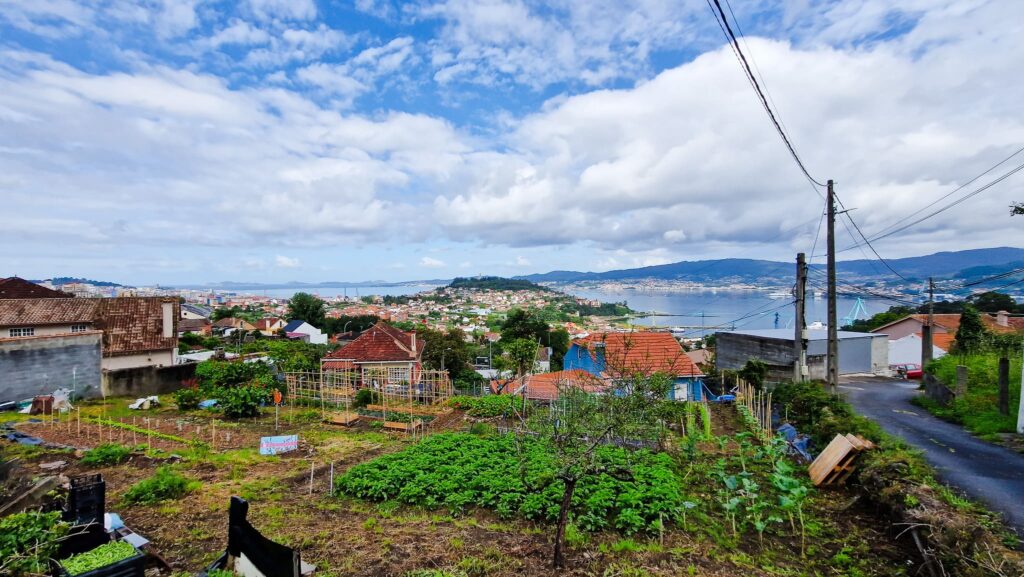
Even after walking a short stage from Vigo to Redondela, I just couldn’t see myself continuing. The pain in my leg persisted, the poor weather was draining me, and I truly was feeling alone, despite seeing many pilgrims along the way.
I had a minor meltdown at one point and nearly decided to quit everything. Instead of making a drastic decision, I decided to take another break and reassess my situation. So I booked myself a room for two nights in the small town of Cesantes, just outside Redondela.
After spending one night in the Albergue in Redondela, I walked the roughly 3 kilometers to Cesantes and stayed there for two nights. There’s nothing in Cesantes, so I wouldn’t particularly recommend it. But the lack of stimuli was probably what I needed to force myself to just rest.
Stage 9: Redondela to Pontevedra (19.8 km)
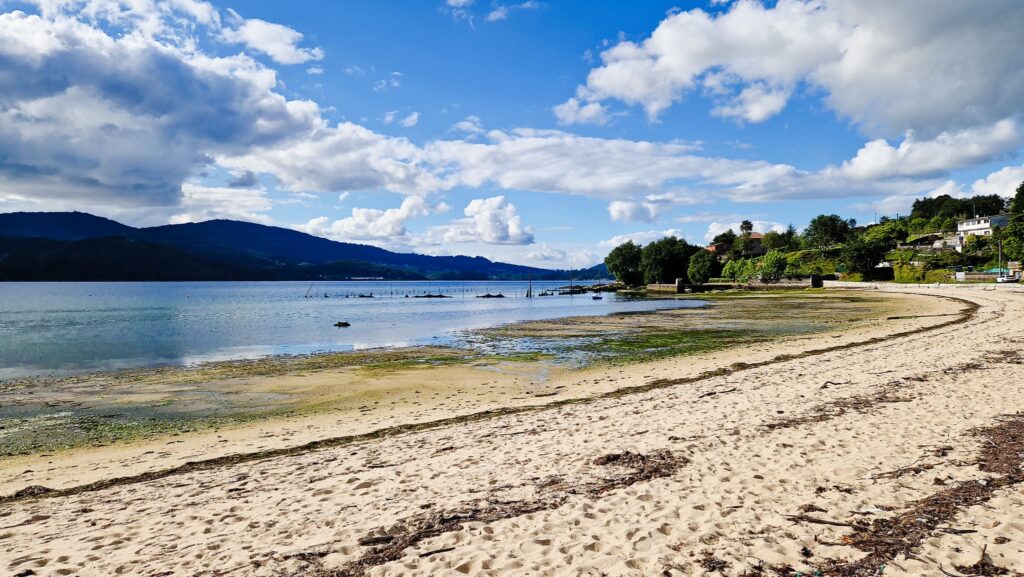
I marked this as starting from Redondela, although I started in Cesantes, which took just over 2 kilometers off the entire distance. I needed to slowly ease back into walking, so I kept this stage short. After two days of nearly complete bed rest, my leg was finally a little better.
If you choose to walk this stage, it’s a really easy one with a few intermediate stops for breaks. Arcade is particularly lovely and a great spot for a mid-morning break. However, this is where the Camino Portugués starts to get really crowded.
Both the coastal and central routes of the Camino Portugués meet in Redondela and merge for the rest of the way to Santiago. So this is where whatever peace you may have had will end. Arcade feels like Camino Central, where all of a sudden you see dozens of pilgrims at every street corner.
The last 100 kilometers start in Vigo for the coastal route and Tui for the central route, and they both meet in Redondela. Many pilgrims only choose to walk the last 100 kilometers to get the Compostela, so this last stretch on any Camino is extremely crowded.
Stage 10: Pontevedra to Caldas de Reis (21 km)
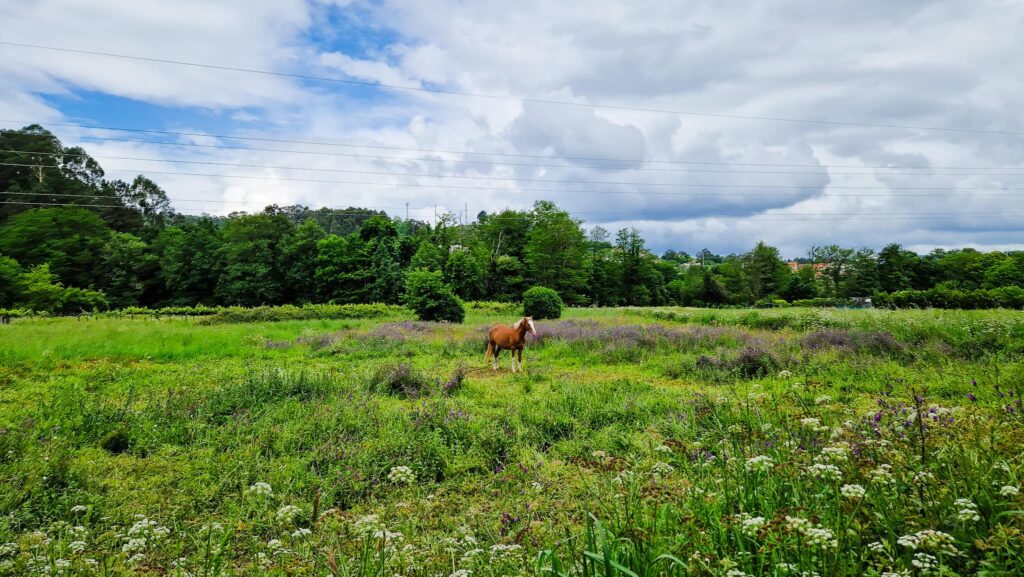
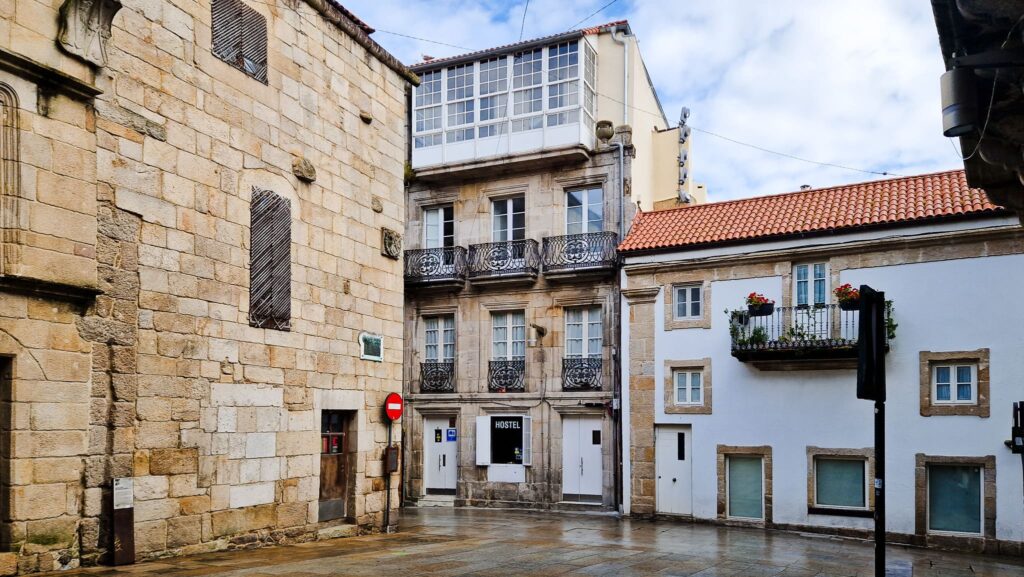
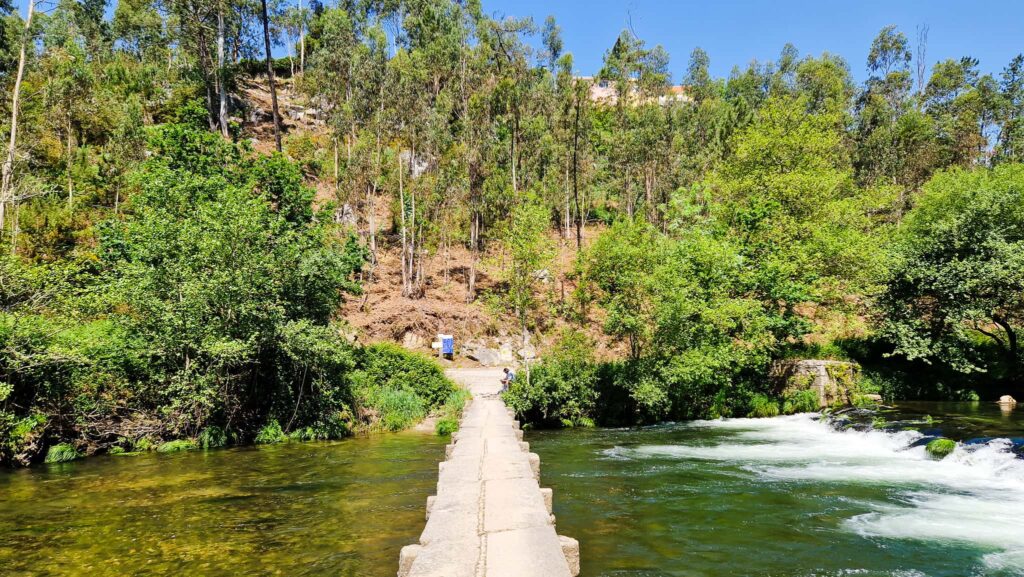
For the first time on this Camino, you get to spend a good part of the stage in the middle of nature. After leaving behind Pontevedra, you’ll walk along dirt paths winding through lush forests, finally enjoying fresh air, shade, and softer ground under your feet.
The stage is just the right length, not too long but not too short. I found this to be one of the most enjoyable stages on this Camino. Moreover, the town of Caldas de Reis is a lovely place to spend an afternoon, known for its thermal springs. Don’t forget to soak your feet in warm water at the Lavadero público de Caldas de Reis.
While it may look like there are lots of intermediate villages, they are very small, with just a few houses and no services, and often a bit off the Camino path. So don’t expect to have many options for intermediate breaks. There is, however, a popular pilgrim bar along the way, called A Pousada do Peregrino, in San Amaro.
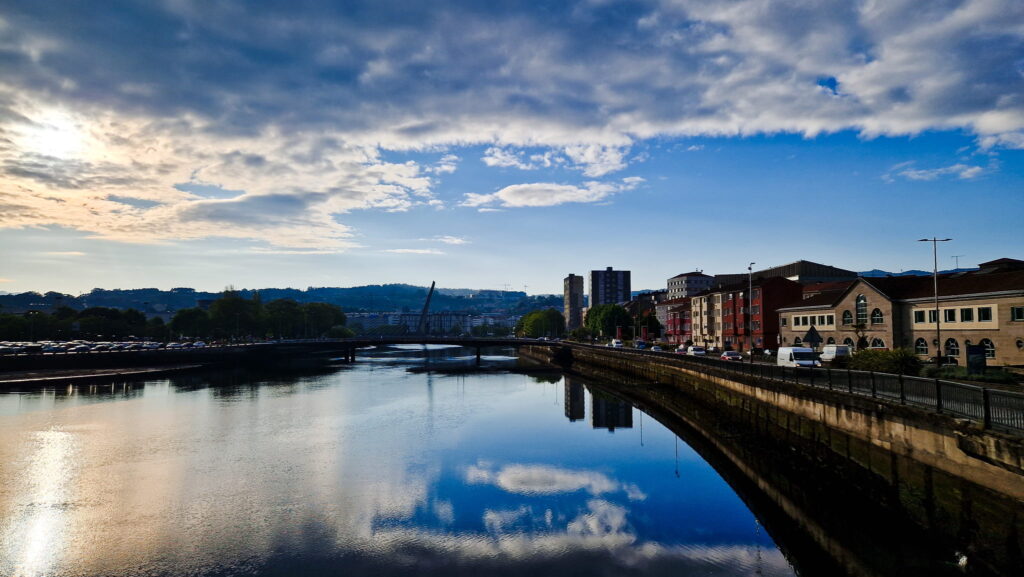
Stage 11: Caldas de Reis to Herbón (18.6 km)
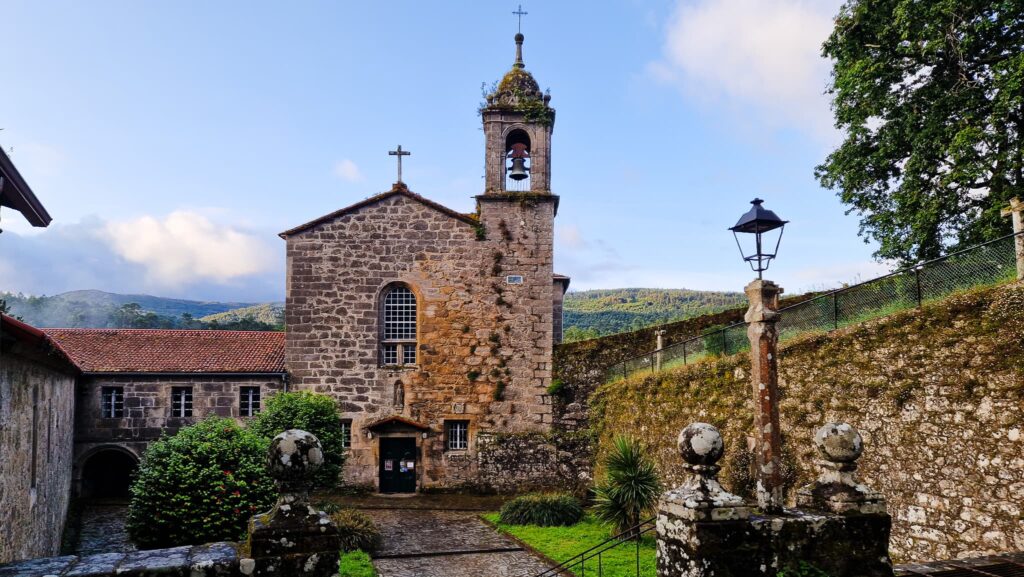
The official stage here would end in Padrón, but I’d heard about the famous Albergue inside the Convento de Herbón and decided to head there together with friends I’d finally made in Pontevedra. I’m very happy I made this choice, because it was a truly unique stay.
The stage is short and easy. Once again, you’ll be crossing lush woods for a little while, but you’ll still mostly walk on paved roads. I was unfortunate enough to start walking in heavy rain, but the day got better after that.
There are plenty of stages along the way where you can stop for breaks. Given the many sections on paved roads, I recommend taking advantage of this. It’s also worth arriving at the Albergue in Herbón a little before check-in time, which is technically at 4 PM. However, we got there at 2 PM, and they were already registering pilgrims, and the Albergue was complete by the late afternoon.
The cool thing about staying at the Convento de Herbón is that you get a guided tour of the convent, church, and outdoor area. Fun fact: this is the original birthplace of the famous pimiento de Padrón, which takes its name from the municipality of Padrón.
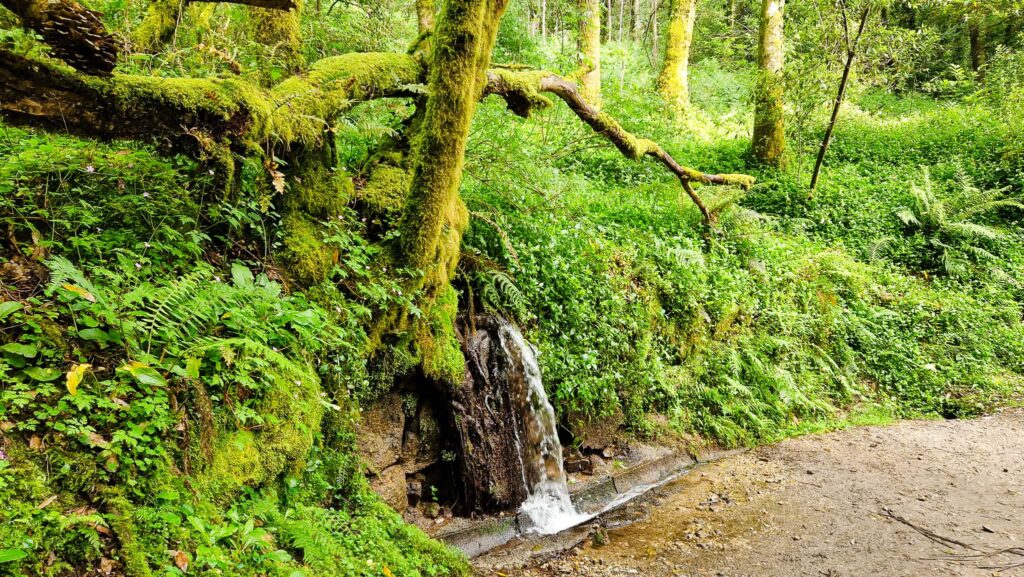
Stage 12: Herbón to O Milladoiro (19.7 km)
Most people will walk straight to Santiago from here, but with my new Camino friends, we decided to stop in O Milladoiro, so we’d have an easy last day and arrive in Santiago early enough to avoid the line for the Compostela.
To maintain the trend of this whole Camino, you’ll once again walk most of the way on paved roads. However, this stage has probably the longest sections through the woods, on soft dirt paths that will give your feet a few breaks from the hard tarmac and cobblestone.
The stage starts mostly flat, but you’ll begin a steady ascent as you approach O Milladoiro. The highlight of this stage is probably the Albergue in O Milladoiro, a huge, modern structure with lots of beds and nice facilities, including a great kitchen! It was one of my favorite albergues on this Camino!
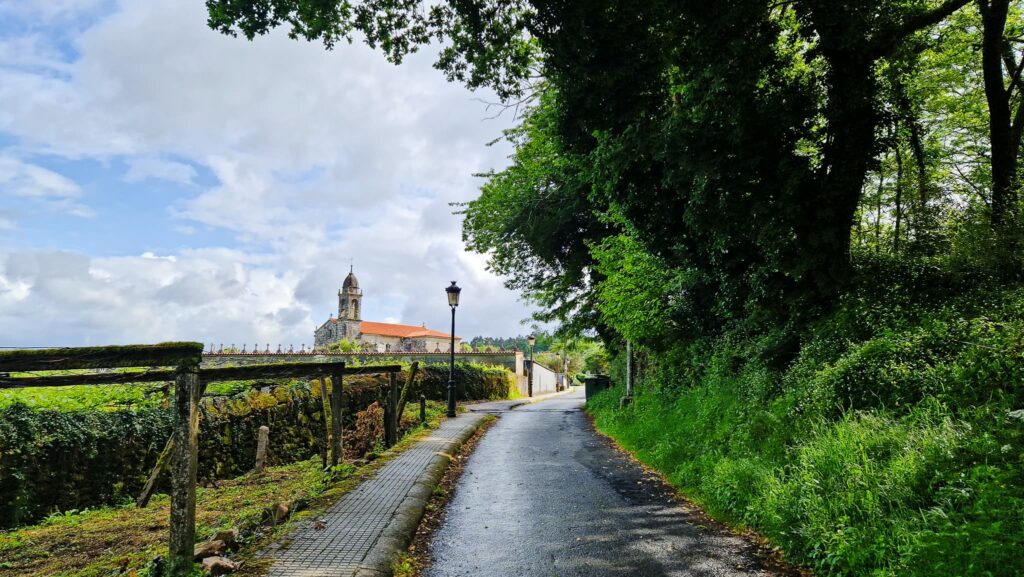
Stage 13: O Milladoiro to Santiago de Compostela (7.5 km)
The last stage is a short and easy one, so you can take your time, have a late departure, and slowly make your way into Santiago. It is mostly uphill, like all the routes leading into Santiago, but you have plenty of time.
I highly recommend going straight to the Pilgrim’s Office to register and get your Compostela if that’s something you’re interested in. You’ll likely arrive sometime in the morning, which is ideal to avoid the line that inevitably forms later in the day. I still had to stand in line for a while, but it was fast enough.
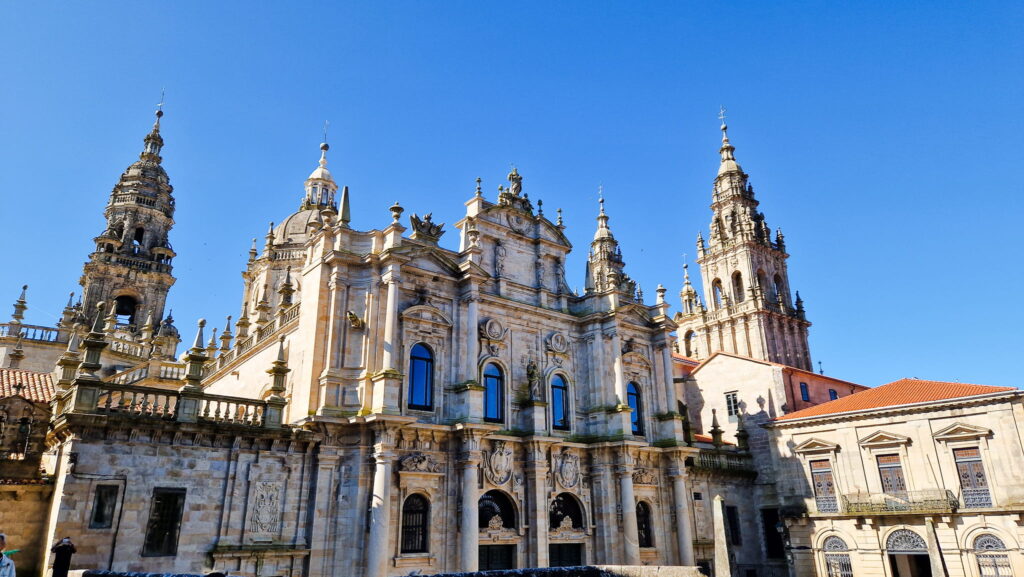
After getting your Compostela, you have most of the day to explore Santiago, head to the Cathedral, and celebrate your Camino completion. And that’s it for the Camino Portugués!
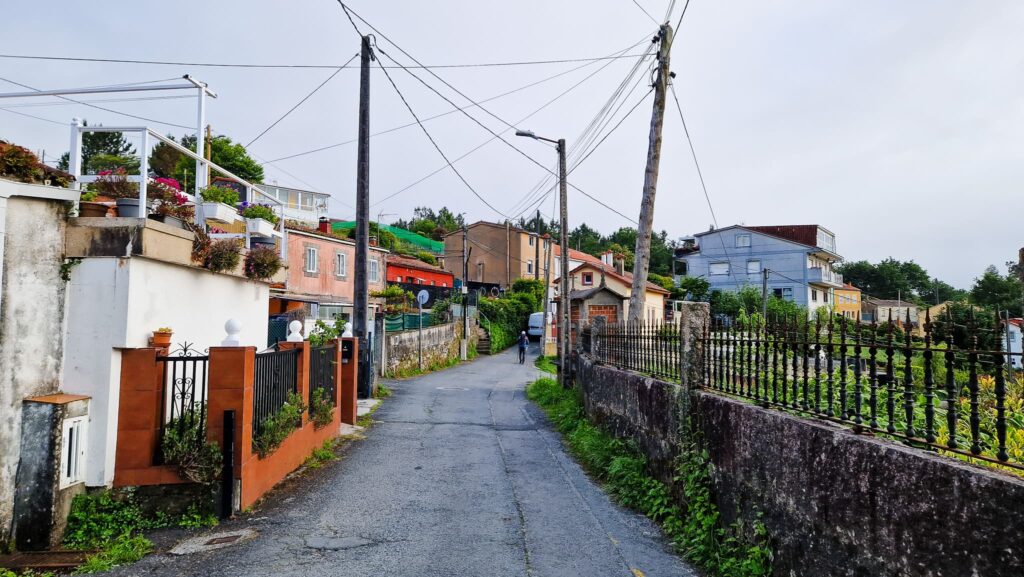
What I’d change about my stages next time
In case that wasn’t already clear, my main takeaway from this Camino is that it’s better to start slow! If I were to do this again, I would start with shorter stages and *maybe* do some longer ones after building resistance.
The truth is, while planning your Camino stages can be helpful to have a general idea, I recommend always being flexible to adapt and switch things around if needed. No amount of planning can prepare you for all the possible circumstances and challenges. You need to give yourself buffer days and the possibility to take longer or shorter to complete the Camino.
What I can share, based on my experience, is an idea of how I would divide the stages if I were to walk this Camino again. You can take inspiration from this, but adapt it to your needs. The great thing about the Camino Portugués is that you have many options when dividing your stages.
Camino Portugués: My ideal stages
Note: I would keep the first stage as I did it because stopping in Labruge doesn’t make much sense to me, given that it’s nearly 1 kilometer off the coastal path, while Vila Chã is only 2.5 kilometers from the split point. If you feel like day one is too much, there’s always the option to catch the metro to Matosinhos and
You’ll notice the main changes are in the beginning, stages 2-6, to allow for a slower start. I was pretty happy with most of my stages after Porto Mougás. I would just change stages 9 and 10. I would stop in Arcade instead of Redondela because it’s a beautiful town to enjoy, plus it allows for a short stage to Pontevedra, which is a larger town with lots of things to do that deserves more than a few hours in the afternoon.
This division, with the rest day in Vigo, would mean the Camino would take a total of 15 days.
Variante Espiritual
I didn’t have time to walk the Variante Espiritual, but I would have loved to. It’s a little detour after Pontevedra that takes you back to the coast for a little while before catching a boat along Río Ulla to Padrón. You can read more about the Variante Espiritual here.
If you decide to take this tour, your stages after Pontevedra would look like this:
This puts the total length of the Camino Portugués from Porto at 16 days.
Final tips for walking the Camino Portugués
Depending on your fitness level and pace, you’ll likely walk different stages. Here are some general recommendations for daily distances based on your fitness level and speed:
You’ll likely have a few longer or shorter stages, but it’s good to keep this as an average. I also recommend having 1-2 rest days if you’re walking from Porto and 3-5 rest days if you start in Lisbon. I typically have rest days in bigger cities where I can explore a bit at a slow pace without my backpack.
I also have a more in-depth article on how long the Camino Portugués takes. I go over the different things that impact the length of the Camino and what to expect depending on the route you choose.
I may post a packing list for the Camino Portugués, but if you want my top packing tips, I recommend a 30L backpack, breathable, lightweight clothing that dries fast, and light, breathable, non-waterproof shoes. Let me know in the comments if you’re interested in my packing list for this Camino.
More Camino Posts
I mentioned that before the Camino Portugués, I walked Via de la Plata. If you’re curious about that route, you can find all my articles here:
- Complete Via de la Plata Stages: From Sevilla to Santiago
- Walking Via de la Plata: How to Plan for the Camino in 2026
- Via de la Plata: From Sevilla to Mérida
- Via de la Plata: From Mérida to Salamanca
- Via de la Plata: From Salamanca to Ourense
- Via de la Plata: From Ourense to Santiago de Compostela
If you’re interested in more Portugal content instead, you’ll find all my articles here. Alternatively, I have an even bigger collection of Spain posts here.
Camino Resources
I’ll leave you with my list of resources for the Camino de Santiago. Buen Camino!
| Website/App | Category | Description | Link |
|---|---|---|---|
| Gronze | Planning | The most exhaustive Camino website with routes, albergue info, and more. | Gronze.com |
| Buen Camino | Navigation | My go-to Camino app, which has the most routes available. | iOS or Android |
| Camino Ninja | Navigation | Another great website and app with most Camino routes. | Camino Ninja |
| Camino Forum | Community | Great forum for first-person experiences and asking questions. | Camino Forum |
| Booking.com | Accommodation | Good to have when you can’t find albergues! | Booking.com |
| Agoda | Accommodation | An alternative to Booking.com, if you have a hard time finding a place. | Agoda |
| Kiwi.com | Flights | My go-to platform for finding affordable flights. | Kiwi.com |
| Omio | Transportation | You never know when you need to catch a bus or train along the Camino. | Omio |
| SafetyWing | Insurance | Don’t skip insurance on the Camino, trust me on this one! | SafetyWing |
| GuruWalk | Free tours | For when you hit those big cities and want to explore them with a local. | GuruWalk |
| Airalo | eSIM | My favorite eSIM app; a great alternative to buying a physical SIM card. | Airalo |
| Saily | eSIM | A great alternative to Airalo. I use them both, depending on the destination. | Saily |
| Xe | Currency | My go-to currency converter, in case you’re from outside the Euro zone. | Xe App |
| Maps.me | Navigation | If you ever get lost, having an offline map is life-saving! | Maps.me |

Pin this for later!