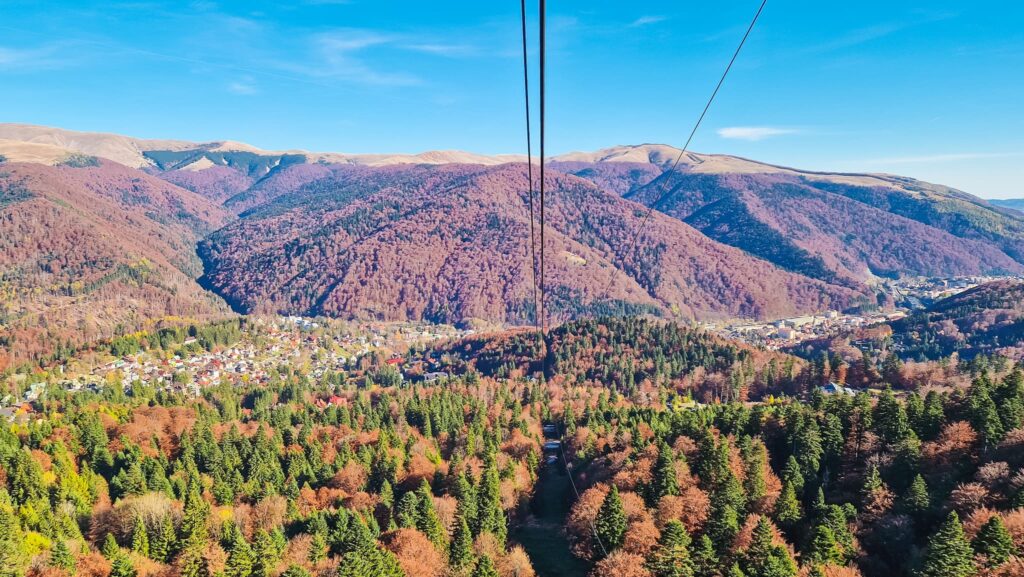
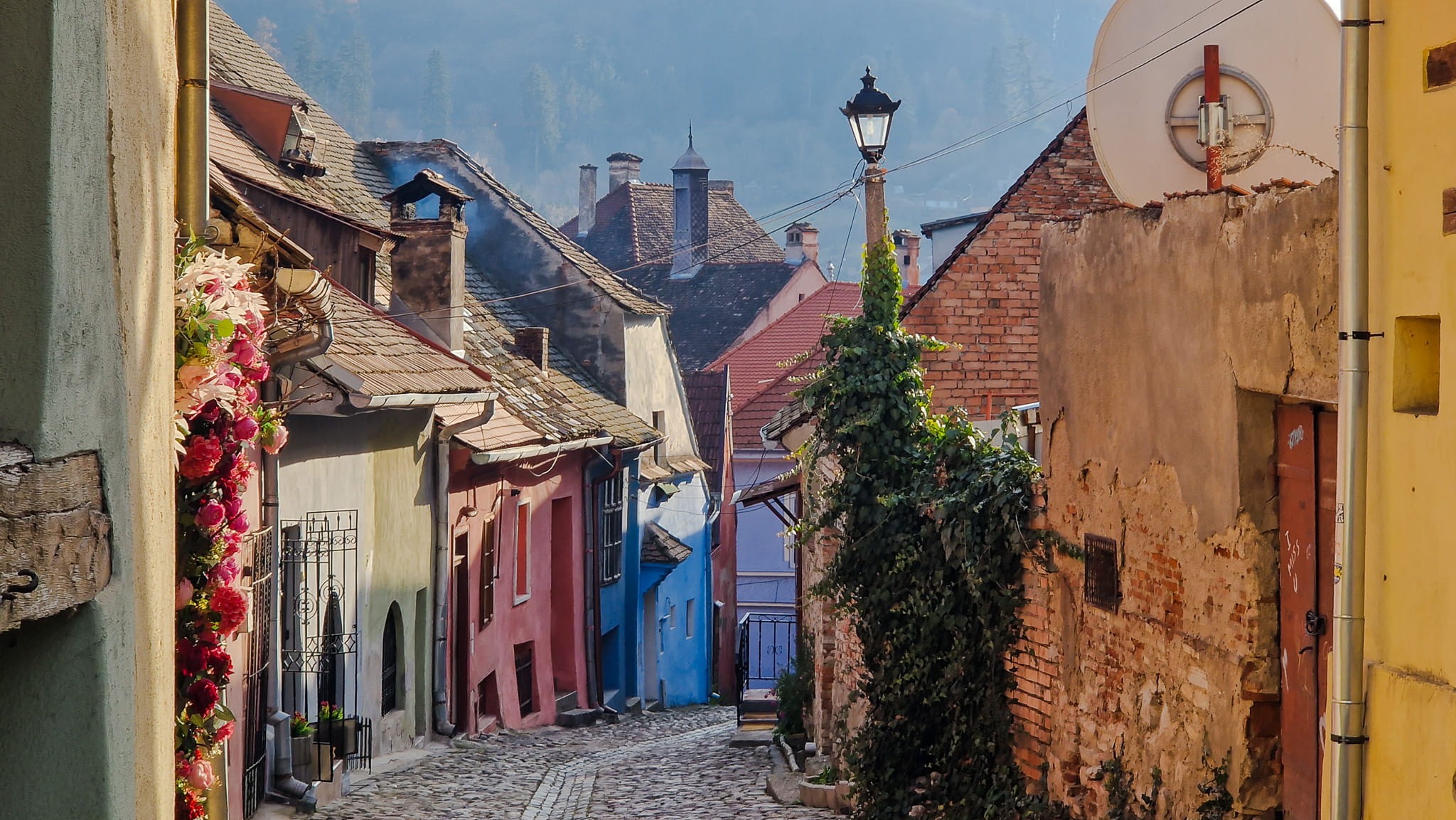
Okay, so you’re planning a trip to this beautiful Eastern European country as a woman, and you’re wondering: Is Romania safe for solo female travelers? I’m here to answer this question and share my top tips for staying safe as a solo traveler myself (and a Romanian).
This page contains affiliate links. If you buy through these links, I may receive a small commission, at no additional cost to you. I only recommend products or services I have tried and/or find useful and reliable.
One of the things I often wonder when planning to travel somewhere new is how safe it is for me as a solo female traveler. You may be asking this question about Romania. Is it safe? Are there any security concerns in big cities? How about hiking trails or small villages?
As Romania gains more popularity as a tourist destination, safety concerns are natural. This lesser-known Eastern European country boasts incredible landscapes, charming medieval cities, friendly locals, and still-affordable accommodations and restaurants.
As a Romanian woman who lived in the country until the age of 14 and still travels around regularly in her mid-30s, I’m here to answer your questions. Like most places, some nuance is needed, so I’ll try to cover different safety aspects throughout this article.
I’d also like to point out that this article is based on a mix of data I drew from statistics and my personal experience after traveling around Romania. Every experience is highly personal, so I can’t give any guarantees. However, I will include advice to ensure your trip to Romania is as safe as possible.
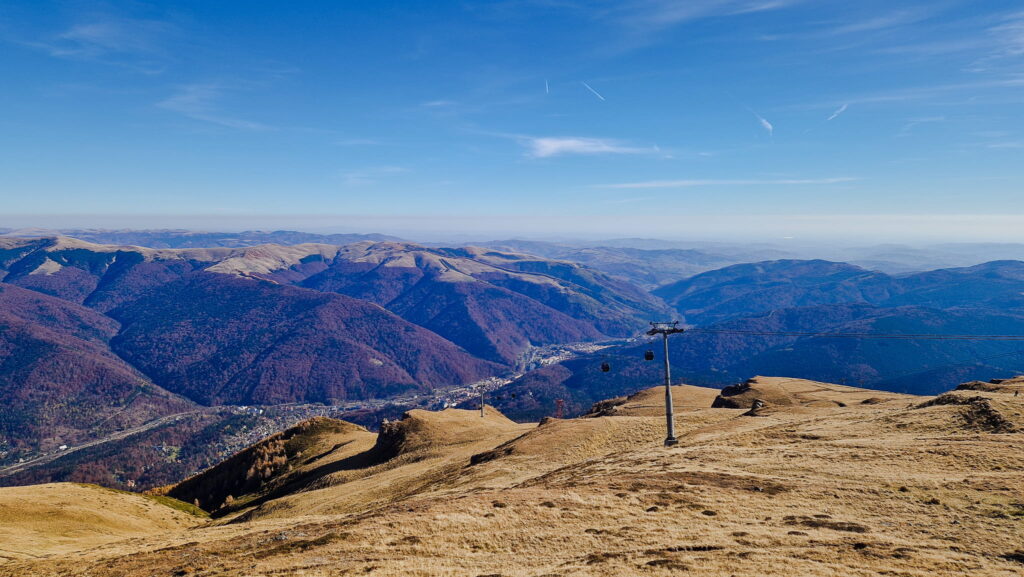
Is Romania Safe for Solo Female Travelers? (Short Answer)
If you’re looking for a straightforward answer, I’d say yes, Romania is generally safe for solo female travelers. In fact, I believe it’s among the safest countries in Europe.
According to the 2025 Global Peace Index, Romania sits at number 38 in the world. That may not sound like a great number, but it’s above other popular destinations, like France, Greece, Indonesia, and Thailand. Also, way above the United States (position 128), but I guess that comes as no surprise.
Note that this index includes the level of societal safety and security, ongoing domestic and international conflict, and the degree of militarization. I personally think Romania is safer for travelers than countries that rank higher, like the UK or Italy (places I’ve actually traveled to/lived in).
Now, that doesn’t mean you should wander around oblivious to your surroundings. You should always exercise caution in crowded areas, public transportation, and some areas at night, particularly in Bucharest, the capital city. Unfortunately, petty theft does exist in some major cities, but it’s quite rare. But let’s delve deeper into the most common safety concerns.
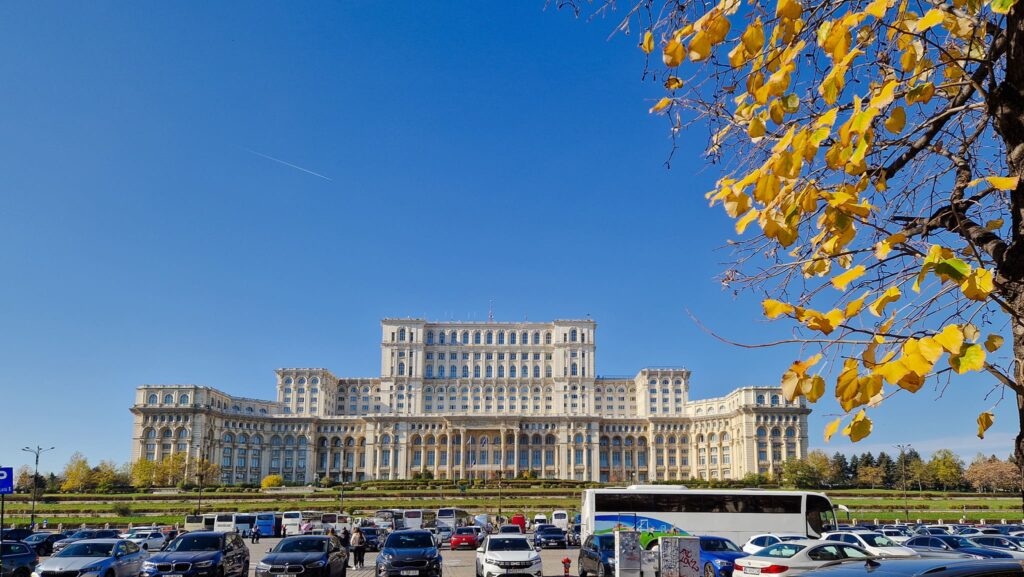
Common Safety Concerns and Realities
Although I consider Romania to be overall a safe destination for all travelers, including solo women, let’s be realistic. No place is 100% safe. So, I want to discuss the most common safety concerns in Romania, as unlikely as they may be.
Petty Theft and Pickpocketing
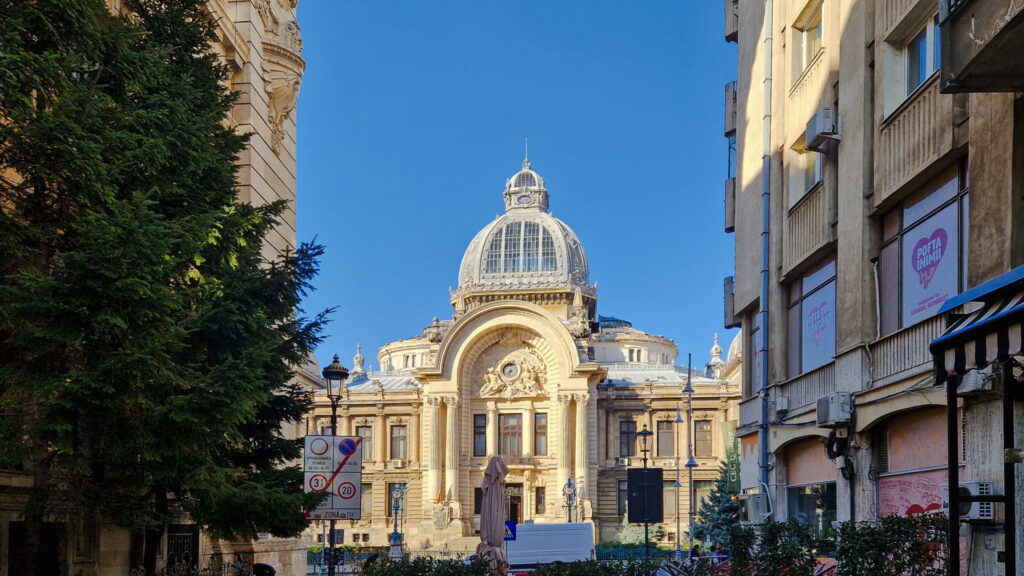
As I said, petty theft and pickpocketing can happen. This is true for every European country, especially in big cities. This is most likely to happen in tourist hotspots, particularly in Bucharest. In general, maintain a high awareness in crowded buses, train stations, and tourist areas, like Old Town Bucharest.
To avoid falling victim to petty theft, you can take some easy precautions. Avoid leaving valuables in plain sight, like on a restaurant table; use a crossbody bag that you can keep in front of you on public transportation; and ensure you keep valuables in zipped pockets.
Catcalling & Harassment
Unfortunately, sexism is alive and well in Romania. I just can’t sweeten this pill for you because the reality is that patriarchy is still deeply rooted in our society, here more than in other places. The news is filled with examples of how this manifests, but this is a whole other topic that would take us off track.
Yes, catcalling sometimes happens, though I have experienced it less than in other major European cities. This rarely escalates to physical harassment, but it’s good to be aware.
My personal response to this is usually just pretending I didn’t even hear it. Is it the right approach? I don’t know, and I sure want to answer back sometimes, but you never know how things may escalate, so I choose to ignore it unless it becomes persistent – it rarely has, and never in Romania. I admit I will sometimes give these people a death stare that kinda works in shutting them up. But use that one with caution.
Scams to Be Aware Of in Romania
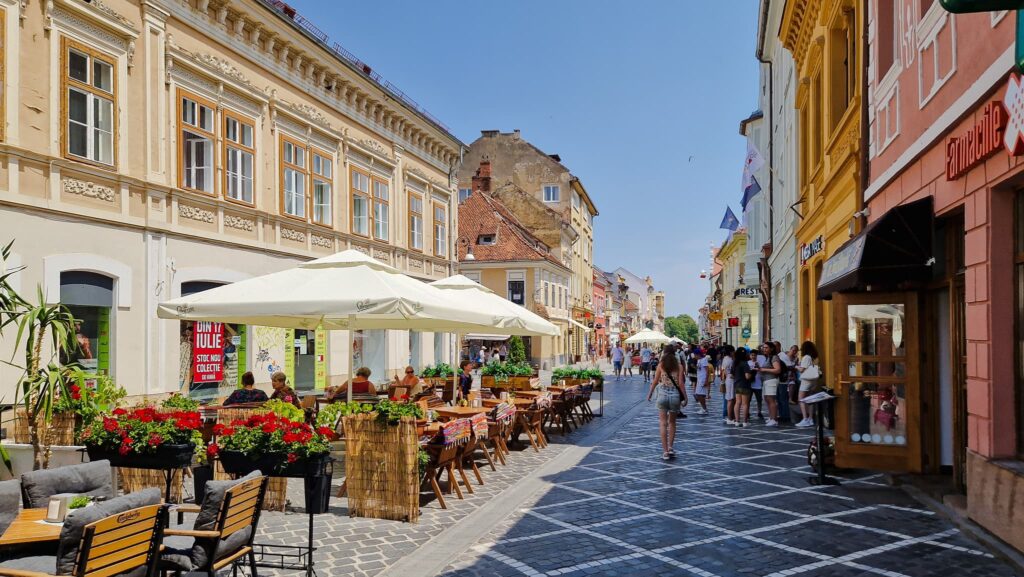
Before diving into “common” scams, I want to point out I’ve never personally had any issues with any of these. However, I have heard of them, so I wanted to include them so you can be cautious.
- Taxi scams: taxi drivers may attempt to charge you more, either by manipulating the meters or taking detours to take you to your destination. Avoid any taxi-related scams by using Uber or Bolt (both very affordable and available in many cities).
- Overcharging in touristy bars/clubs: this may happen in tourist hotspots like Old Town Bucharest. Avoid it by asking for a menu or inquiring about the price before ordering anything.
- Fake tour guides in Old Town Bucharest: I heard about people approaching to offer to show you around, claiming they are tourist guides. I’ve actually seen this in other countries (like Lake Atitlan in Guatemala), but never in Romania. Still, if a stranger approaches you offering to be your tour guide, politely decline. Instead, you can book guided tours online (GuruWalk is great for free walking tours) or hire a licensed tour guide.
- The gift scam: I’ve seen this all over the world, but basically, don’t take “free” things from anyone approaching you on the street, whether it’s a handmade bracelet or a rose. These people will usually follow you and ask for money until they wear you down. Strangely enough, I haven’t experienced this in Romania, though I did plenty of times in Italy, Greece, and other countries.
Transportation Safety
Public transportation across Romania is generally safe. You can take small precautions to avoid any potential issues.
- Trains: usually safe and somewhat reliable – yes, delays are quite frequent. But we’re not here to discuss reliability; that’s a topic for another post. Keep your backpack/suitcase close to you, safely store valuables, and use locks on your luggage whenever possible.
- Buses & Minibuses: a really popular way to get around Romania, often more reliable than trains. I’ve never had any issues safety-wise, and I’ve even traveled at night. Again, keep your valuables safe and your bigger luggage locked for extra peace of mind.
- Ridesharing (Uber/Bolt): probably the safest way to get around in the major cities, especially at night. Bolt (my go-to in Romania) even has safety features like ride details sharing and emergency assist.
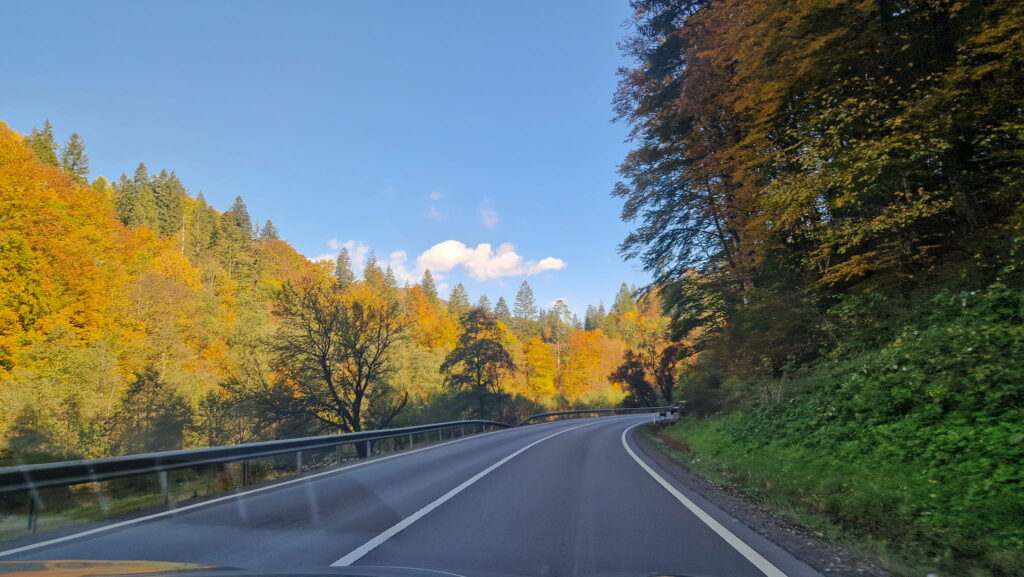
- Driving in Romania: I’d say this is probably the most reasonable concern, though for different causes. Traffic in Romania can be chaotic, and the roads are not in great shape. Highways are still limited (though more are being built), so if you choose to drive across the country, you’ll mostly do so on small roads that cross small towns and villages. You should pay extra attention when driving in the winter, as road conditions can worsen with snowfall.
What to Do If You Need Help in Romania
If you find yourself in danger at any point in Romania, the most straightforward action is to call the emergency number: 112. This is for any kind of emergency, from health concerns and accidents to robbery or other dangerous situations.
For other non-urgent situations, you can contact your country’s embassy or consulate. You can find all relevant contacts on the Ministry of Foreign Affairs website.
For smaller health concerns, you can find lots of pharmacies virtually everywhere. I’m actually shocked at how many pharmacies there are in Romania. Especially in big cities, just walk 5 minutes in any direction, and you’ll likely find one. But even better, open Google Maps and look for it. You’ll find them in English too, but you can also type in “farmacie” in Romanian.
This may be a good time to remind you of the importance of travel medical insurance. I use SafetyWing, and I highly recommend it. I recently switched to their Nomad Insurance Complete, and I love it as it also allows me to get routine check-ups, and it has no restrictions, even at home. Plus, it has all the usual health emergency coverage, travel delays, lost luggage, and more. Read more about SafetyWing’s Nomad Insurance on my dedicated blog post.
Cultural Norms and How to Blend In
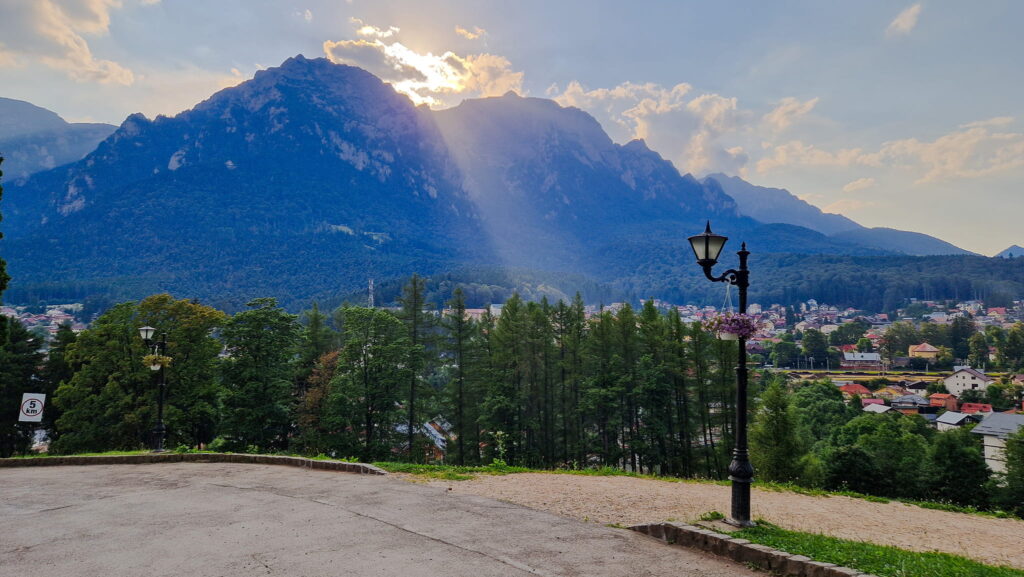
As with most European destinations, there are no specific cultural norms you need to follow in Romania. There are no dress codes or customs to follow. You may see women covering their heads in church (particularly Orthodox ones), but this is more of a local custom and not required of foreigners. You can do it if you want, but it’s not mandatory.
Romanians are generally very friendly and open. Some people may be very direct, which could come across as rude. However, most people are welcoming and happy to see foreigners.
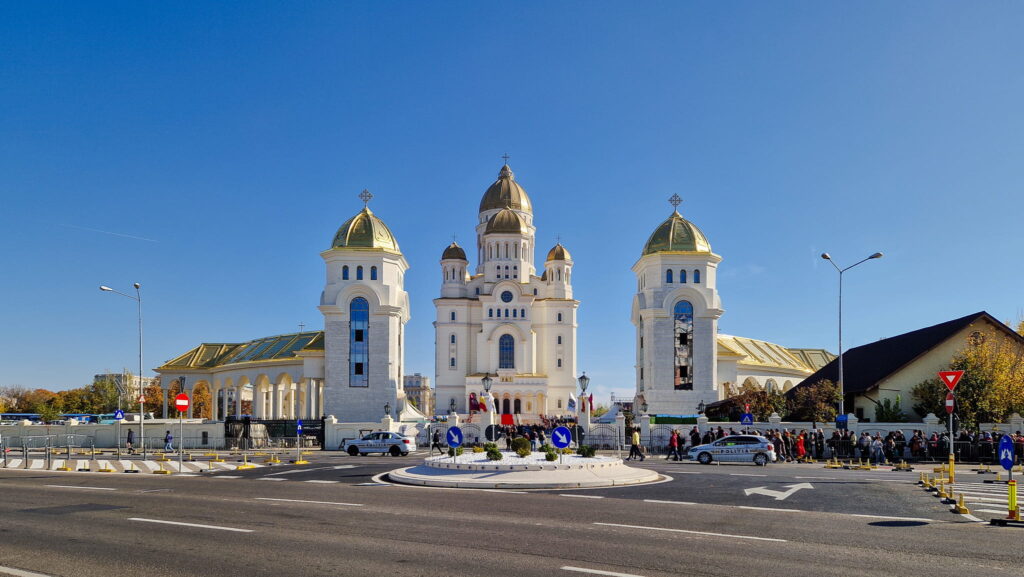
Learning a few Romanian phrases could help build trust, and locals are happy when foreigners make the effort. However, many people speak English in the cities, especially younger generations. Things can get a bit tricky in rural areas and when dealing with older people.
Here are a few common words you can learn to impress some locals:
- Hello: Bună ziua (formal), Bună or Salut (informal)
- Goodbye: La revedere (formal) or Pa (informal)
- Thank you: Mulțumesc (pronounce it Multsumesc) or Mersi (informal)
- You’re welcome: Cu plăcere (literally with pleasure)
- How much does it cost?: Cât costă?
- Excuse me: Scuză-mă
- Do you speak English?: Vorbiți engleza?
- Help: Ajutor (the j is pronounced like in bonjour in French)
Safety in Different Romanian Regions
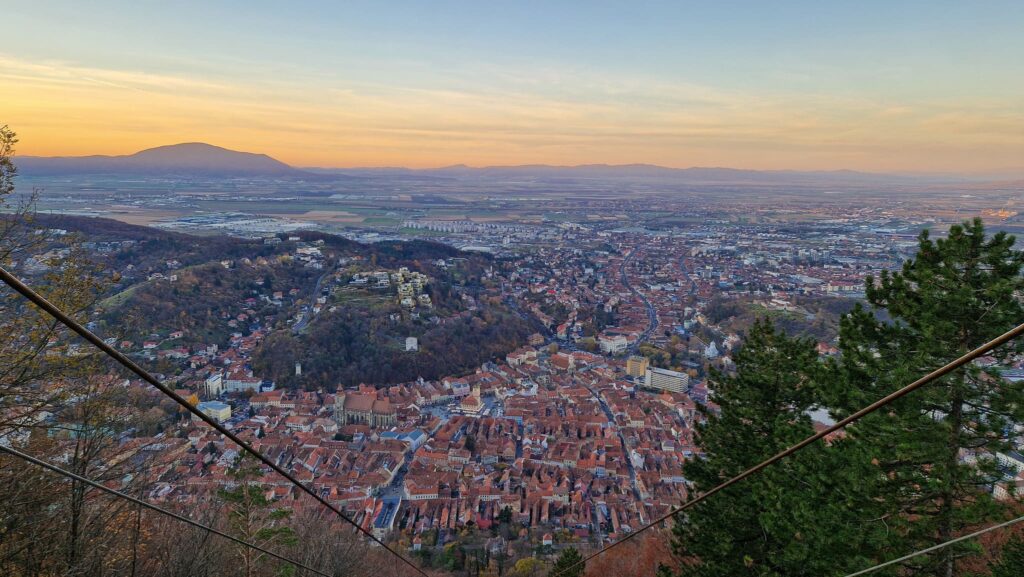
While most of the safety concerns and advice I already mentioned apply across the country, I want to cover some of Romania’s most popular regions in detail.
Is Bucharest Safe?
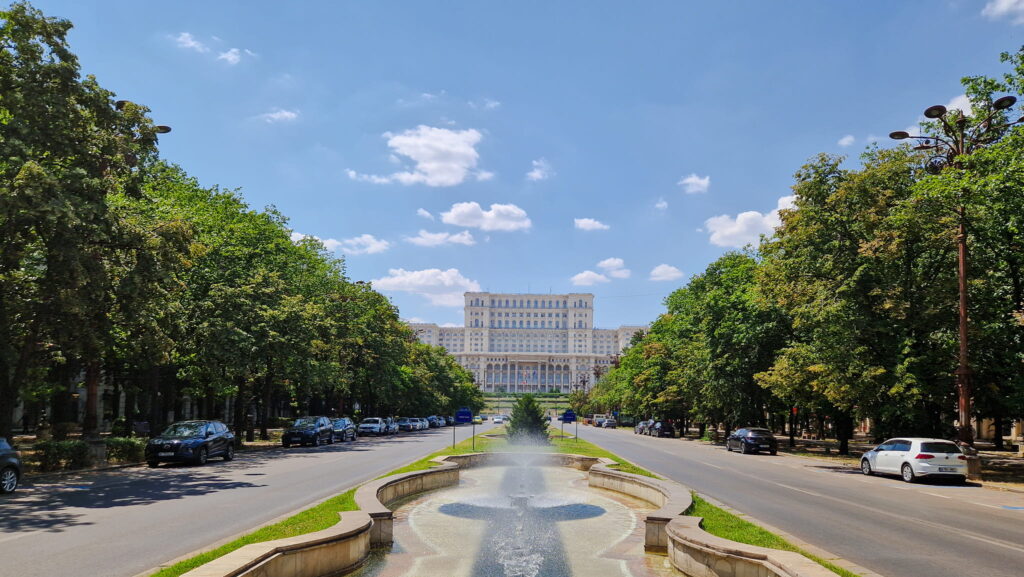
Honestly, not to throw shade, but most of the safety concerns I mentioned in this article apply to Bucharest more than other places in Romania. Not exclusively, just mostly. And it makes sense. Bucharest is a big city, much bigger than any other in Romania. My main recommendation would be to avoid the city’s outskirts at night. The city center, particularly the Old Town, is typically safe.
Best Areas to Stay in Bucharest
- Piața Romană
- Piața Victoriei
- Universitate
- Old Town
Is Transylvania Safe?
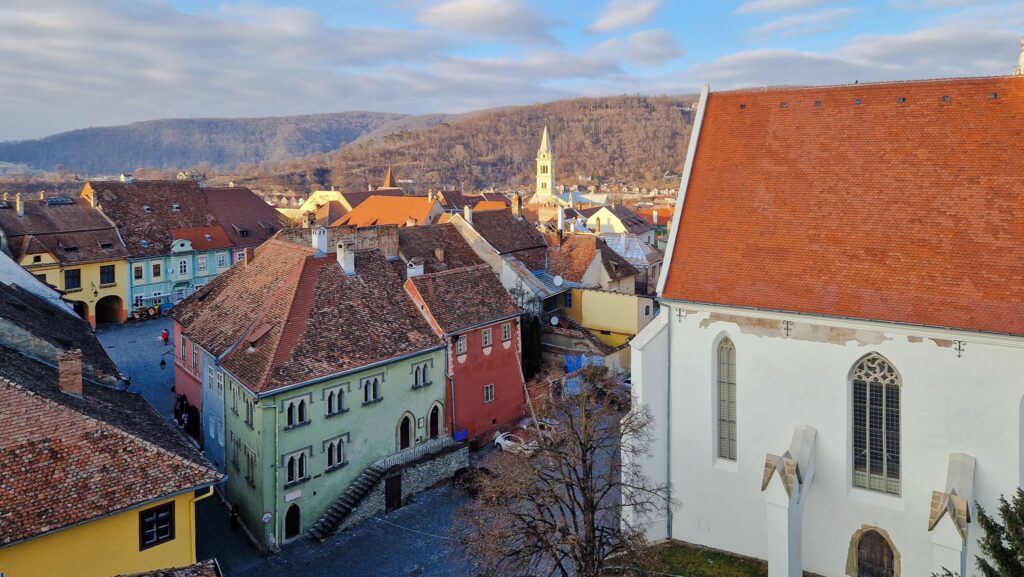
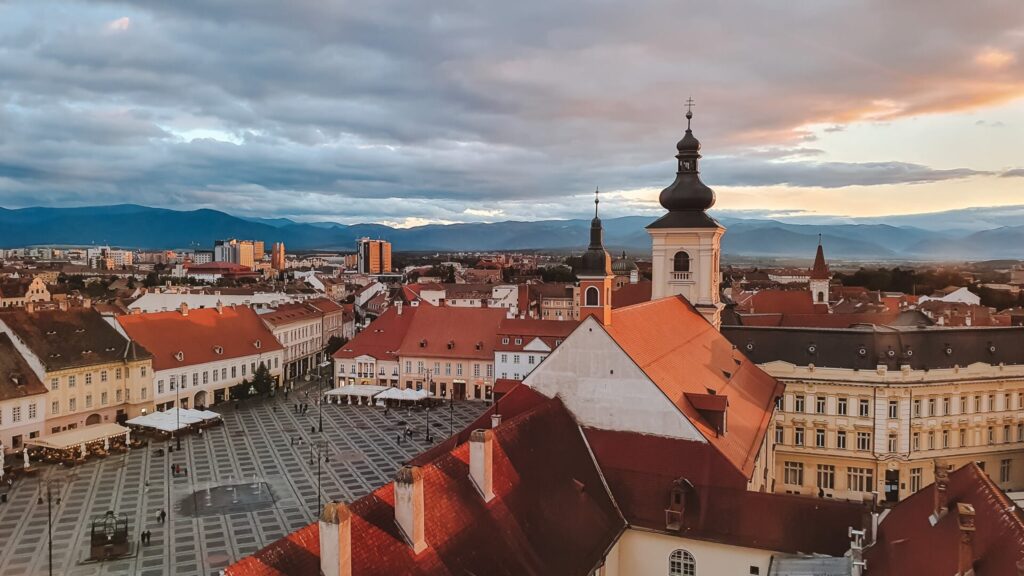
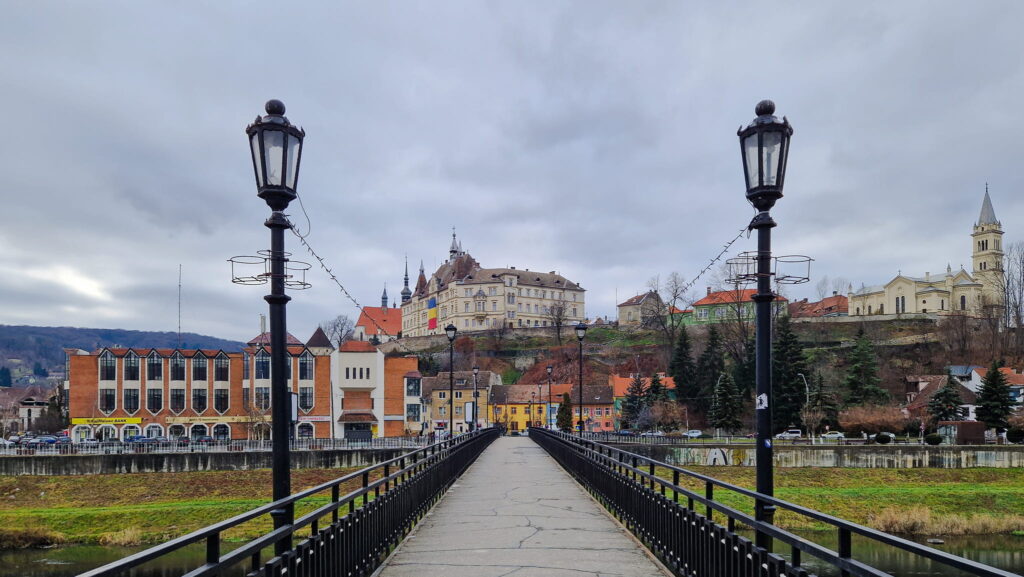
I’m from Transylvania, but I promise I’m not biased. This region is generally very safe, even late at night. I’m from Brașov, and I’ve been out at night on my own plenty of times with no issues. The same applies to most cities, like Sibiu, Sighișoara, and Cluj-Napoca (or simply Cluj).
Honestly, the main safety concern in this area is the brown bear. Yes, bears may sometimes come into the city looking for food, usually at night. So, just be aware of your surroundings. The chances of a bear encounter in Brașov are low, but never zero. Pay particular attention when hiking in the surroundings. Best practices include making noise, carrying bear spray, and keeping food secure. It also helps to avoid hiking alone.
Solo female traveler pro tip for Cluj: The city recently introduced the “Angel Shot” safety code in bars and clubs. If you feel uncomfortable or in danger (harassment, suspected drink spiking), just head to the counter and ask for an Angel Shot, and someone will discreetly help you. I think this is a really cool initiative!
Best Areas to Stay in Transylvania
- Brasov: Old Town, Livada Poștei, Centrul Nou
- Cluj: Old Town -Piața Unirii, Piața Avram Iancu
- Sibiu: Piața Unirii, the Upper Town, the Lower Town, the Center
- Sighișoara: Old Town
Is Romania’s Seaside Region Safe?
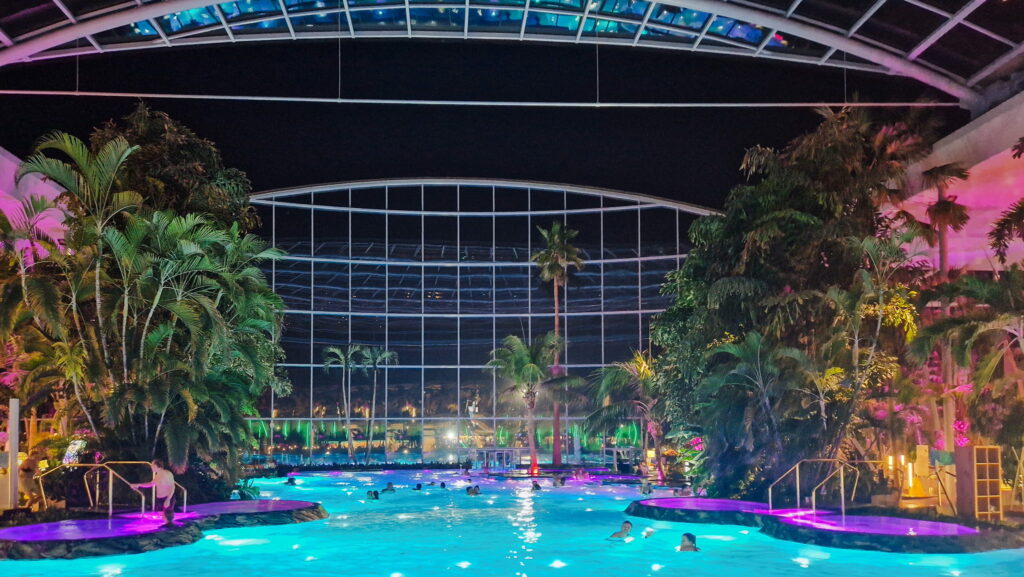
Romania’s seaside is not a very popular destination among foreign visitors, but many Romanians go there in the summer. It’s still an overall safe destination, but I’d pay extra caution here in the peak season when pickpocketing and price gouging are more likely.
Constanța is the main city here, though there are smaller beach towns that are even more popular for beach lovers, like Vama Veche, Eforie Nord, and Neptun. These can get very crowded during the peak summer months.
Extra safety tip for solo female travelers here (and everywhere else!): watch your drinks in crowded clubs and bars. Drink spiking is not very common, but not something to rule out entirely.
Best Areas to Stay at the Seaside
- Constanța: Old Town, Faleza Nord, Mamaia
- Other beach towns/cities: Mangalia, Eforie Nord, Eforie Sud, Vama Veche, Neptun, Costinești
What About Other Romanian Regions?
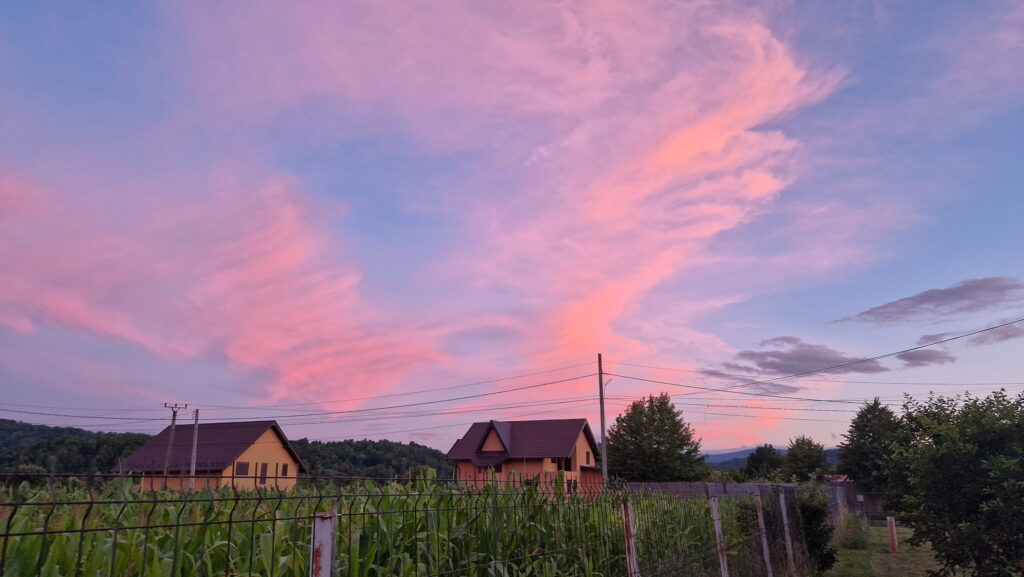
I can’t possibly cover every single region of Romania here, so I’ll just give you some general advice for the rest of the country. The rest of Romania is lesser-known among foreign visitors, but no less safe. In fact, most rural areas are incredibly safe, with friendly locals. The only downside is that transportation can be limited. Many areas are hard to reach unless you have a car.
If you do venture beyond the usual tourist spots, you’ll find beautiful landscapes, quaint small villages, and welcoming locals who may not speak English but will be happy to see you.
Safety Tips for Solo Women in Romania
Okay, let’s wrap this up with a quick list of my top safety tips for solo female travelers in Romania:
- Book accommodation close to the city center
- Take Bolt/Uber at night instead of a taxi or walking long distances
- Keep your belongings safe in crowded places
- Don’t just accept gifts from strangers on the street
- Watch your drinks in clubs and bars
- Keep emergency contacts saved offline
- Download offline maps (Google Maps, Maps.me)
- Check bear warnings before hiking and take precautions
- Don’t mention you’re alone to strangers (just an extra safety measure)
- Arrive during the day for extra safety (my number 1 rule for visiting new places)
My Romania Travel Recommendations
Now that you know Romania is a safe travel destination, here are some blog posts to help you plan your trip:
- 16 Reasons to Visit Brașov, Romania
- Netflix’s Wednesday Filming Location: Cantacuzino Castle
- Bucharest to Bran Tour: How to Visit Dracula’s Castle
- Sibiu Travel Guide: Top Things to Do and See
- How to Spend One Perfect Day in Sinaia
Travel Resources
Finally, here is a list of my go-to travel resources for Romania (and Europe in general):
| Website/App | Category | Description | Book Here |
|---|---|---|---|
| Booking.com | Accommodation | My favorite website for great accommodations for different budgets. | Find a Place |
| Kiwi.com | Flights | My new favorite platform for finding affordable flights. | Find Flights |
| Omio | Transportation | You can book everything from buses and trains to ferry rides. | Transportation |
| SafetyWing | Insurance | One of the best travel medical insurances for frequent travelers. | Get Insured |
| Manawa | Activities | A great platform to book activities and adventures with local hosts. | Find Activities |
| GetYourGuide | Activities | My go-to platform for tours and experiences with lots of options. | Experiences |
| Viator | Activities | A great alternative for activities all over the world. | Experiences |
| GuruWalk | Free tours | A great platform for free walking tours (tipping is recommended). | Book a tour |
| DiscoverCars | Car rental | My go-to platform for car rental anywhere in the world. | Rent a Car |
| Airalo | eSIM | My favorite app for buying digital SIM cards when traveling abroad. | Get an eSIM |
| Saily | eSIM | A great alternative to Airalo, with cheaper plans in some destinations. | Get an eSIM |
| Xe | Currency | A currency converter showing real-time rates. Website or app. | Get Xe App |
| Maps.me | Navigation | My favorite navigation app for hiking trails and remote areas. | Get Maps |
Pin this for later!